
Quick Answer
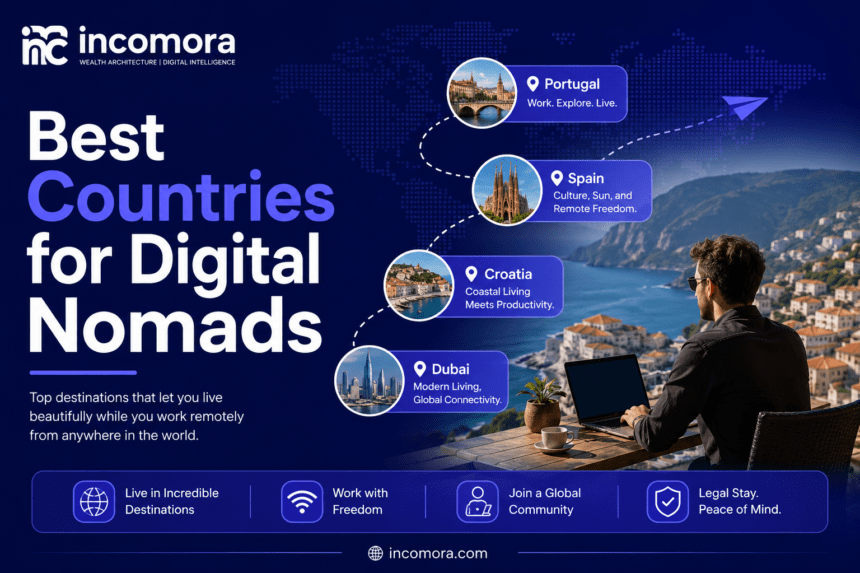
The best countries for digital nomads in 2026 include Portugal, Spain, Colombia, Croatia, Estonia, Malta, Dubai in the UAE, Thailand, Canada, and Japan. These countries offer different advantages depending on your income level, preferred lifestyle, visa eligibility, tax situation, and long-term relocation goals. For affordability, Colombia is one of the strongest options. For the European lifestyle, Portugal and Spain stand out. For premium infrastructure and business access, Dubai is a strong choice. For tech-focused remote workers, Estonia remains highly relevant. For students, freelancers, and remote professionals thinking long term, countries with clear visa rules, good internet, healthcare access, and reasonable living costs are usually the safest options.
Quick Verdict: Which Country Should You Choose?
| Goal | Best Country |
| Cheapest digital nomad lifestyle | Colombia |
| Best European lifestyle | Portugal |
| Best long-term residency path | Spain |
| Best English-speaking EU option | Malta |
| Best tech ecosystem | Estonia |
| Best premium business hub | UAE Dubai |
| Best beach lifestyle in Europe | Croatia |
| Best Southeast Asia base | Thailand |
| Best short-term North America option | Canada |
| Best culture and infrastructure mix | Japan |
Remote work has changed how people think about relocation. A few years ago, living abroad usually required a local job offer, student admission, a spouse visa, or a large investment. Today, many countries have created digital nomad visa programs for people who earn money online, work remotely for foreign employers, freelance for international clients, or run location-independent businesses.
That does not mean every destination is right for every person. Some countries with digital nomad visas are affordable but have weaker infrastructure. Some offer an excellent quality of life but require a high monthly income. Some are great for short-term remote work, while others are better for people who want a longer path toward residency.
This guide compares the best countries for digital nomads in 2026 using practical factors: visa requirements, income rules, cost of living, English friendliness, internet access, lifestyle, and long-term potential.
Visa rules change frequently, so always confirm requirements on official immigration or government websites before applying.
READ ALSO: How to Use AI to Find and Apply for Remote Jobs Faster in 2026
How We Researched This Guide
To improve accuracy and trust, this guide was built using:
- Public immigration and visa information
- Travel and relocation reports
- Digital nomad visa comparisons
- Cost-of-living estimates from relocation-focused sources
- Remote work and digital nomad trend data
- Practical review of what remote workers usually need before moving abroad
We focused on countries that have either formal digital nomad visas, remote work permits, or immigration pathways commonly used by remote workers.
We also prioritized destinations that fit a global audience, including remote workers from Africa, Asia, Europe, North America, the Middle East, and Latin America.
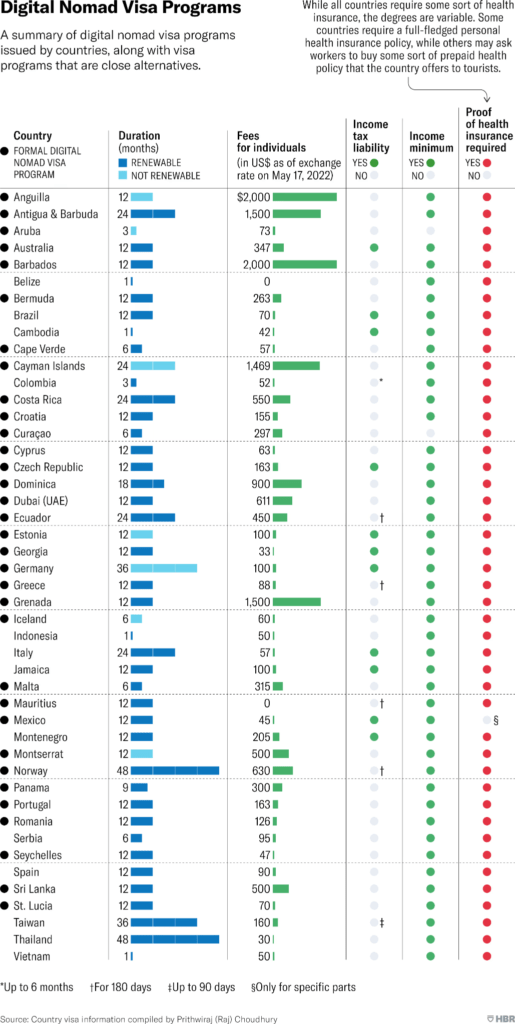
According to Investopedia, more than 50 countries and regions now offer digital nomad visa-style programs, showing how quickly remote work has become part of global immigration policy.
Editorial Insight: After reviewing more than 50 digital nomad visa programs and remote work pathways, we found that income requirements vary significantly. Some countries accept applicants earning under $1,500 per month, while premium destinations may require $5,000 to $8,000 or more in monthly income. This comparison focuses on countries that combine realistic eligibility requirements with strong infrastructure, quality of life, and long-term opportunities for remote professionals.
What Is a Digital Nomad Visa?
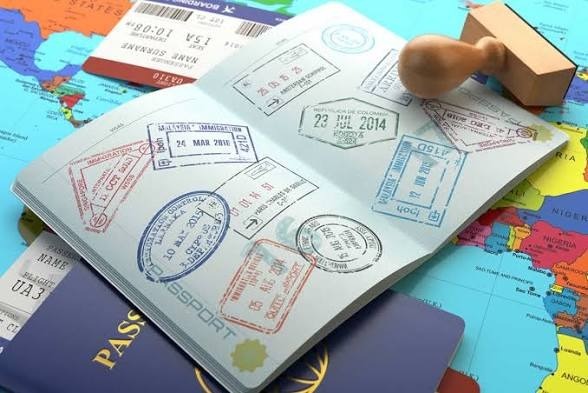
A digital nomad visa is a temporary residence permit that allows remote workers (digital nomads) to live in a foreign country while earning income from outside that country.
Most programs are designed for people who:
- Work remotely for a foreign employer
- Freelance for international clients
- Own an online business
- Work in tech, writing, design, marketing, consulting, finance, or other remote-friendly fields
A digital nomad visa is different from a tourist visa because it usually allows a longer stay and gives clearer legal permission to work remotely.
However, it is not the same as a local work visa. In most cases, you are not allowed to take a job from a local employer unless the visa specifically permits it.
Best Countries for Digital Nomads in 2026: Simple Comparison
| Country | Best For | Typical Requirement | Cost Level | English-Friendly |
| Portugal | Long-term European living | Proof of remote income | Medium | High |
| Spain | Lifestyle + residency pathway | Monthly income proof | Medium | Moderate |
| Colombia | Budget-conscious nomads | Income tied to minimum wage | Low | Moderate |
| Croatia | Coastal European lifestyle | Proof of remote work and funds | Medium | Moderate |
| Estonia | Tech workers and founders | Remote work income proof | Medium | High |
| Malta | English-speaking Europe | Annual income proof | Medium-High | Very High |
| UAE Dubai | Premium lifestyle and business | Monthly income proof | High | Very High |
| Thailand | Southeast Asia lifestyle | High income or eligible visa category | Low-Medium | Moderate |
| Canada | Short-term remote work exploration | Foreign income/source proof | High | Very High |
| Japan | Short-term premium stay | High annual income | High | Moderate |
Overall, Portugal and Spain are the strongest choices for remote workers who want Europe and long-term potential. Colombia is one of the best choices for affordability. Dubai is best for high-income professionals. Malta is the most English-friendly EU option. Estonia is best for tech-focused digital workers.
1. Portugal

Portugal remains one of the most popular countries for digital nomads because it combines European access, strong lifestyle appeal, safety, good weather, and a large international community.
Lisbon, Porto, Braga, and Madeira are especially attractive for remote workers. Madeira has even built a specific reputation as a digital nomad hub.
Portugal’s D8 visa is commonly associated with remote workers and independent professionals. Reports list Portugal’s income requirement around €3,280 per month for the D8 category, although applicants should always verify the current figure before applying because it can change with wage updates and policy changes.
Why Portugal works well
Portugal is not the cheapest option in Europe anymore, but it still offers a strong balance of lifestyle and infrastructure. Remote workers get reliable internet, coworking spaces, international communities, and good travel access within Europe.
Best for
- Remote workers wanting Europe
- Freelancers with stable income
- Families seeking safety and lifestyle
- Long-term relocation planners
Practical example
A freelance UX designer earning €4,500 per month from clients in the US and UK may find Portugal realistic. Lisbon may feel expensive, but Porto, Braga, Coimbra, or Madeira can offer more manageable living costs while still providing good infrastructure.
SEE ALSO: Best Freelance Websites in 2026: Upwork vs Fiverr vs Toptal Compared
2. Spain

Spain has become one of Europe’s strongest destinations for remote workers because of its climate, lifestyle, cities, and digital nomad visa pathway.
The Spanish digital nomad visa was introduced under Spain’s Startup Law. The Times Reports state that applicants generally need a monthly income of around €2,763, and the visa may allow qualifying remote workers to stay for extended periods, with possible renewal options.
Spain also allows some remote workers to earn a limited portion of income from Spanish clients, which is useful for freelancers.
Why Spain works well
Spain gives digital nomads a strong mix of lifestyle and infrastructure. Madrid and Barcelona are international business hubs. Valencia, Málaga, Alicante, and Seville are popular for lower costs and a better pace of life.
Best for
- Remote workers who want Europe
- Freelancers with a stable monthly income
- People who value lifestyle and culture
- Long-term relocation planners
Practical example
A remote marketer earning €3,500 per month could choose Valencia instead of Barcelona to reduce rent and still enjoy good transport, coworking spaces, international networking, and Mediterranean living.
OUR SUBSCRIBERS ENJOYED READING: How to Start Freelancing: The Complete Beginner’s Guide (2026)
3. Colombia

Colombia is one of the best countries for digital nomads who want affordability without completely sacrificing city life, internet access, or lifestyle.
Medellín is the most famous digital nomad city in Colombia, but Bogotá, Cartagena, Cali, and Santa Marta also attract remote workers.
Colombia’s digital nomad visa is commonly linked to a requirement of earning at least three times the country’s legal monthly minimum wage. Business Insider reported that Colombia’s program allows eligible remote workers from many countries to stay for up to two years, with the income threshold tied to Colombia’s minimum wage.
Because the requirement depends on the local minimum wage, applicants should check the latest salary figure before applying. Reuters reported that Colombia’s minimum wage rose to 1.75 million pesos per month in 2026, which affects visa calculations tied to salary multiples.
Why Colombia works well
Colombia offers a lower cost of living than most European digital nomad destinations. Medellín has a strong coworking culture, a large expat community, and good weather. For many freelancers earning in dollars or euros, Colombia offers strong lifestyle value.
Best for
- Budget-conscious remote workers
- Freelancers earning in USD or EUR
- New digital nomads testing life abroad
- Remote workers who prefer Latin America
Practical example
A content writer earning $1,800 per month may struggle in Lisbon or Dubai but live more comfortably in Medellín, depending on rent, lifestyle, and insurance choices.
4. Croatia

Croatia is a strong European option for remote workers who want coastal living, historic cities, and a slower pace of life.
Croatia introduced a remote work residence permit for non-EU digital workers in 2021. The program allows qualified remote workers to live in Croatia for up to one year. Reports also note that Croatia’s digital nomad permit can provide tax advantages for qualifying remote workers.
Popular cities include Zagreb, Split, Zadar, Dubrovnik, and Rijeka.
Why Croatia works well
Croatia is attractive because it offers European living with a Mediterranean feel. It is often more affordable than Western Europe, although tourist cities can become expensive during peak seasons.
Best for
- Remote workers who want coastal Europe
- Slow travelers
- Freelancers who prefer quieter cities
- Non-EU workers seeking a European stay
Practical example
A software developer working for a US company may choose Split for beach access and coworking, then move to Zagreb during winter for lower costs and a more local lifestyle.
5. Estonia

Estonia is one of the most digitally advanced countries in the world and remains highly relevant for tech workers, startup founders, and online business owners.
Estonia launched its digital nomad visa in 2020, allowing eligible remote workers to live in the country while working for foreign employers or clients. Reports list Estonia’s income requirement around €4,500 gross monthly income, with fees varying depending on visa type.
Estonia is also known for e-Residency, which allows global entrepreneurs to manage EU-based companies online, although e-Residency itself does not grant physical residence.
Why Estonia works well
Estonia appeals to people who like efficient government systems, digital services, clean cities, and tech culture. Tallinn has a strong startup scene and good infrastructure.
Best for
- Tech workers
- Startup founders
- Remote software developers
- Online business owners
Practical example
A SaaS consultant earning €6,000 per month may find Estonia attractive because of its digital administration, strong tech ecosystem, and access to European markets.
6. Malta
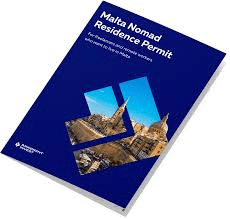
Malta is one of the most English-friendly countries with digital nomad visa options. English is an official language, which makes it easier for remote workers who want to work in Europe without a language barrier.
Recent reports show Malta raised the income requirement for its Nomad Residence Permit to €42,000 annual gross income. Applicants also typically need private health insurance and proof of accommodation.
Malta is small, international, and well-connected to Europe. It has a strong remote work ecosystem, especially around Sliema, St. Julian’s, and Valletta.
Why Malta works well
Malta is ideal for remote workers who want an English-speaking European base. It is not the cheapest option, but it is convenient for people who value communication, business access, and a Mediterranean lifestyle.
Best for
- English-speaking remote workers
- EU lifestyle seekers
- Digital entrepreneurs
- Consultants and professionals
Practical example
A remote project manager earning €4,000 monthly may choose Malta because it reduces the language barrier and offers strong international networking opportunities.
7. UAE Dubai

Dubai is one of the strongest premium destinations for digital nomads, entrepreneurs, consultants, and high-income remote professionals.
Dubai offers a virtual working program that allows remote workers to live in the UAE while working for employers or clients abroad. The Economic Times Reports in 2026 show the UAE has tightened documentation rules for remote work visa applicants, requiring more income proof, such as bank statements.
Dubai is not cheap, but it offers excellent infrastructure, international business access, safety, airports, networking, and tax advantages for many residents.
Why Dubai works well
Dubai is built for global professionals. It offers high-speed internet, coworking spaces, business communities, luxury housing, and access to global markets.
Best for
- High-income remote workers
- Entrepreneurs
- Consultants
- Business owners
- People who want a tax-friendly environment
Practical example
A remote finance consultant earning $8,000 per month may find Dubai attractive because of its business ecosystem and connectivity, even though living costs are much higher than in Colombia or Thailand.
8. Thailand

Thailand has long been one of the most popular destinations for remote workers, especially in Chiang Mai, Bangkok, Phuket, and Koh Samui.
Thailand’s visa rules are more complex than those of some countries because options can vary by nationality, income, and purpose of stay. The country has promoted long-term visa options for remote workers and high-income professionals, while also adjusting tourist visa rules over time.
Recent reports indicate that Thailand continues to review its visa policies as it balances tourism, security, investment, and demand for remote workers.
Why Thailand works well
Thailand offers excellent value, great food, strong expat communities, coworking spaces, and a well-established digital nomad culture. It is especially popular with creators, freelancers, online business owners, and startup workers.
Best for
- Remote workers who want Asia
- Freelancers on moderate budgets
- Lifestyle-driven digital nomads
- People who value community and affordability
Practical example
A freelance video editor earning $2,500 per month may live comfortably in Chiang Mai or parts of Bangkok, depending on rent and lifestyle.
DISCOVER: Best AI Tools in 2026 to Work Smarter, Earn More, and Stay Ahead
9. Canada
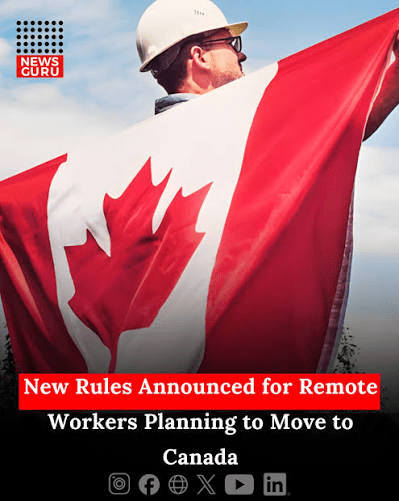
Canada does not operate like a typical digital nomad visa country, but it is still relevant because some remote workers may enter as visitors while working for foreign employers or foreign clients, depending on eligibility and documentation.
Recent reports show Canada has tightened documentation expectations for digital nomads entering under work-permit exemptions, requiring clearer proof that income comes from outside Canada.
Canada is expensive compared to many other options, but it is English-friendly, stable, and attractive for short-term exploration.
Why Canada works well
Canada is best for remote workers who want to explore the country temporarily, attend meetings, network, or test life in cities like Toronto, Vancouver, Calgary, or Montréal.
Best for
- Short-term remote work exploration
- High-income professionals
- English-speaking workers
- People considering future immigration pathways
Practical example
A remote software engineer working for a US company may spend a few months in Canada while maintaining foreign employment, but should verify immigration and tax implications before arrival.
10. Japan

Japan introduced a digital nomad visa allowing eligible remote workers to stay for up to six months. Reports indicate applicants must meet a high income threshold, around 10 million Japanese yen annually, and eligibility may depend on nationality.
Japan is not the easiest or cheapest option, but it offers exceptional infrastructure, safety, transport, culture, and quality of life.
Why Japan works well
Japan is best for remote workers who want a short-term premium experience rather than low-cost living. Tokyo, Osaka, Kyoto, Fukuoka, and Sapporo offer different lifestyles.
Best for
- High-income remote workers
- Short-term cultural immersion
- Professionals who value safety and infrastructure
- Tech and creative workers
Practical example
A product designer earning $90,000 annually could use Japan’s digital nomad visa for a six-month work-and-travel experience while staying legally compliant.
CHECK OUT: Best Countries to Work, Study, and Live Abroad In 2026 (Full Guide)
What Countries Have Digital Nomad Visas?
Many countries now offer digital nomad visa programs or remote work residence permits. Common examples include:
- Portugal
- Spain
- Croatia
- Estonia
- Malta
- Colombia
- Costa Rica
- Greece
- UAE
- Barbados
- Bermuda
- Mauritius
- Thailand
- Japan
- South Korea
- Kenya
- South Africa
The exact requirements vary widely. Some countries require an income of less than $1,500 per month, while others require $5,000 per month or more. Some programs last six months, while others can be renewed for one to five years.
Investopedia reports that over 50 countries and regions now offer digital nomad visa-style programs.
Easiest Digital Nomad Visa: What Should You Look For?
The easiest digital nomad visa is not always the one with the lowest income requirement.
A visa is easier when it has:
- Clear online application process
- Reasonable income requirement
- Fast processing
- Simple documentation
- Affordable fees
- Flexible rules for freelancers
- Clear tax guidance
For many applicants, Colombia is easier because of its lower income threshold. Portugal and Spain are attractive but require stronger documentation. Dubai is straightforward for high earners but expensive. Estonia is clear but has a higher income requirement.
Best Countries for Digital Nomads by Budget
Low-budget digital nomads
Best options:
- Colombia
- Thailand
- parts of Mexico
- some Eastern European destinations
These countries work well for freelancers earning between $1,500 and $3,000 monthly, depending on lifestyle.
Mid-budget digital nomads
Best options:
- Portugal
- Spain
- Croatia
- Estonia
These countries work well for remote workers, earning around €3,000 to €5,000 monthly.
High-income digital nomads
Best options:
- Dubai
- Japan
- Malta
- Canada
- South Korea
These countries usually require higher income, higher living costs, or both.
Digital Nomad Visa Europe: Best European Options
Europe remains one of the most searched regions for remote workers because of lifestyle, healthcare, infrastructure, and travel access.
Strong European digital nomad options include:
- Portugal
- Spain
- Croatia
- Estonia
- Malta
- Greece
- Hungary
- Romania
- Latvia
Spain and Portugal are best for lifestyle and long-term plans. Estonia is best for tech workers. Malta is best for English speakers. Croatia is best for coastal living.
Practical Case Studies
Case Study 1: Beginner freelancer earning $1,800 per month
Best options:
- Colombia
- Thailand
- Mexico
Why: These countries are more realistic for lower-income freelancers. Europe may be too expensive unless the person has savings or chooses a lower-cost city.
Case Study 2: Remote employee earning €4,000 per month
Best options:
- Portugal
- Spain
- Croatia
- Estonia
Why: This income range can meet many European digital nomad visa requirements and support a moderate lifestyle.
Case Study 3: Consultant earning $8,000 per month
Best options:
- Dubai
- Malta
- Japan
- Canada
- Spain
Why: Higher income opens access to premium destinations with better infrastructure, but tax planning becomes more important.
Common Mistakes Digital Nomads Make
Here are the most common errors most digital nomads make that you should avoid.
Choosing a country only because it looks beautiful
Lifestyle matters, but visa rules, healthcare, internet, rent, and taxes matter more.
Ignoring tax residency
Staying too long in a country may create tax obligations. Always speak to a qualified tax adviser if you plan to stay for several months.
Underestimating living costs
A country may be affordable overall but expensive in popular nomad cities.
Applying with weak documentation
Most visa programs require proof of income, valid health insurance, accommodation, clean background records, and clear remote work evidence.
Assuming tourist visas are enough
Tourist visas are not always appropriate for remote work. Digital nomad visas provide a clearer legal status.
Essential Tools Every Digital Nomad Should Consider
Relocating successfully involves more than securing a digital nomad visa. Having the right tools can make managing work, finances, travel, and daily life much easier.
1. Travel Insurance
Medical emergencies, trip cancellations, lost luggage, and unexpected travel disruptions can happen anywhere. Comprehensive travel insurance helps protect you from significant out-of-pocket expenses while living abroad.
Popular providers include:
- SafetyWing
- World Nomads
- Genki
- IMG Global
Compare coverage carefully to ensure it includes medical treatment, emergency evacuation, and coverage for remote workers if applicable.
2. VPN Services
Many remote professionals work with sensitive business information or access company systems while traveling. A reputable VPN helps protect your internet connection, particularly when using public Wi-Fi in airports, cafés, hotels, or coworking spaces.
Well-known VPN providers include:
- NordVPN
- ExpressVPN
- Surfshark
- Proton VPN
A VPN can also help you securely access online services that may be restricted based on your location.
3. International Banking and Money Transfers
Managing finances across multiple countries becomes much easier with digital banking solutions that support multiple currencies and low-cost international transfers.
Popular options include:
- Wise
- Revolut
- Payoneer
- N26 (available in selected countries)
Before relocating, confirm whether your preferred banking platform is available in your destination country.
4. Freelance Platforms
Many digital nomads earn income independently through freelance work. These platforms connect professionals with clients around the world across industries such as design, writing, software development, consulting, and marketing.
Popular freelance marketplaces include:
- Upwork
- Fiverr
- Toptal
- Contra
- Freelancer.com
If you’re new to freelancing, building a strong portfolio and collecting client reviews can significantly improve your earning potential over time.
5. Remote Job Boards
If you prefer full-time remote employment rather than freelancing, dedicated remote job boards can help you find opportunities with companies hiring internationally.
Popular remote job platforms include:
- We Work Remotely
- Remote OK
- FlexJobs
- Remote.co
- Wellfound (formerly AngelList Talent)
Many employers hiring through these platforms allow employees to work while living abroad, although company policies may vary.
6. Language Learning Apps
Although many digital nomad destinations are English-friendly, learning the local language can improve everyday experiences, help you integrate into the community, and simplify interactions with landlords, healthcare providers, and government offices.
Popular language-learning platforms include:
- Duolingo
- Babbel
- Memrise
- Busuu
- italki
Even learning basic conversational phrases can make settling into a new country much easier.
Building a Successful Digital Nomad Lifestyle
Choosing the right country is only the beginning. Reliable insurance, secure banking, professional networking, remote work opportunities, and basic language skills all contribute to a smoother relocation experience.
Preparing these essentials before you move can help you spend less time solving logistical challenges and more time enjoying the flexibility that the digital nomad lifestyle offers.
Final Thoughts
The best countries for digital nomads are not always the most popular ones. The right destination depends on your income, passport, work type, lifestyle preference, tax exposure, and long-term plans.
Portugal and Spain are strong for remote workers who want Europe and potential long-term residence. Colombia is excellent for affordability. Malta works well for English-speaking professionals. Estonia is ideal for tech-focused workers. Dubai is best for high-income professionals and business owners. Thailand remains one of the most practical lifestyle destinations in Asia.
Before choosing a country, compare the visa rules, cost of living, healthcare requirements, internet reliability, tax implications, and renewal options.
A good digital nomad destination should not only look attractive online. It should support your work, protect your legal status, and help you live comfortably without creating unnecessary financial or immigration risk.
Frequently Asked Questions (FAQs)
What is the best country for digital nomads in 2026?
Portugal, Spain, Colombia, Malta, Estonia, and Dubai are among the best countries for digital nomads in 2026. The best choice depends on income, lifestyle preference, visa eligibility, and long-term goals.
Which country has the easiest digital nomad visa?
Colombia is often considered one of the easier options because its income requirement is lower than that of many European and Middle Eastern destinations. However, ease depends on your nationality, documentation, and income source.
What countries have digital nomad visas?
Countries with digital nomad visas or similar remote work permits include Portugal, Spain, Croatia, Estonia, Malta, Colombia, Costa Rica, Greece, the UAE, Barbados, Japan, South Korea, Kenya, and South Africa.
What is the cheapest country for digital nomads?
Colombia and Thailand are among the cheaper options for digital nomads. Living costs vary by city, lifestyle, and housing choice.
Which European countries offer digital nomad visas?
Portugal, Spain, Croatia, Estonia, Malta, Greece, Hungary, Romania, and Latvia are among the European countries offering digital nomad visa-style pathways.
Can Americans apply for digital nomad visas?
Yes. Many digital nomad visa programs accept US citizens, but eligibility depends on the specific country, income level, employment status, insurance, and documentation.
Does Canada have a digital nomad visa?
Canada does not operate like a traditional digital nomad visa country, but remote workers may be able to enter as visitors while working for foreign employers or clients, provided they meet entry and documentation requirements.
Do digital nomads pay taxes?
Sometimes. Tax depends on where you are resident, how long you stay, where your income is sourced, and whether tax treaties apply. Always speak with a qualified tax professional before relocating.
Other Sources & References.
Official Government Sources
- Government of Canada – https://www.canada.ca
- Croatia Ministry of the Interior – https://mup.gov.hr
- Ministry of Foreign Affairs of Japan – https://www.mofa.go.jp
- Thailand Board of Investment (LTR Visa) – https://ltr.boi.go.th
- Portugal Ministry of Foreign Affairs (Visa Portal) – https://vistos.mne.gov.pt
- Portugal Ministry of Foreign Affairs (Visa Portal) – https://vistos.mne.gov.pt
- Spain Ministry of Inclusion, Social Security and Migration – https://www.inclusion.gob.es
- Malta Residency Agency (Nomad Residence Permit) – https://nomad.residencymalta.gov.mt
- Estonia Police and Border Guard Board – https://www.politsei.ee
- Estonia e-Residency – https://www.e-resident.gov.ee
- Dubai Department of Economy and Tourism (Virtual Working Programme) – https://www.visitdubai.com
International Organizations
- World Bank – https://www.worldbank.org
- Eurostat – https://ec.europa.eu/eurostat
- International Monetary Fund (IMF) – https://www.imf.org
- International Labour Organization (ILO) – https://www.ilo.org
- Organisation for Economic Co-operation and Development (OECD) – https://www.oecd.org
Supporting Data Sources
- Numbeo (Cost of Living Database) – https://www.numbeo.com/cost-of-living
- VisaGuide.World – https://visaguide.world
- Nomad List – https://nomadlist.com