
Short Answer: The best digital nomad visa in 2026 depends on your income and lifestyle goals. Portugal and Spain are among the strongest options for Europe, Colombia offers the lowest income requirement, Thailand remains Asia’s most established nomad hub, and Dubai appeals to high-income professionals seeking tax efficiency and premium infrastructure.
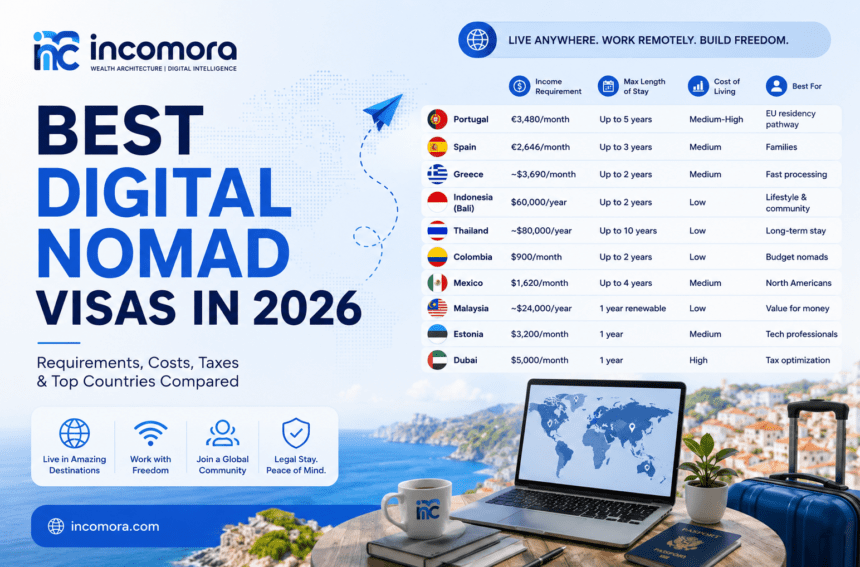
Quick Comparison: The 12 Best Digital Nomad Visas at a Glance
| Country | Income Requirement | Duration | Cost of Living | Best For |
| Colombia | $900/month | Up to 2 years | Low | Budget nomads |
| Ecuador | $1,350/month | 2 years | Low | Long-term affordability |
| Mexico | $1,620/month | Up to 4 years | Medium | North Americans |
| Spain | €2,646/month | Up to 3 years | Medium | Families |
| Portugal | €3,480/month | Up to 5 years | Medium-High | EU residency pathway |
| Greece | ~$3,690/month | Up to 2 years | Medium | Fast processing |
| Italy | ~$2,500/month | 1 year renewable | Medium | Lower EU income requirement |
| Malaysia | ~$24,000/year | 1 year renewable | Low | Value for money |
| Thailand | ~$80,000/year | Up to 10 years | Low | Long-term stay |
| Dubai | $5,000/month | 1 year | High | Tax optimization |
Dreaming of working from a beachside café in Lisbon, a coworking space in Bangkok, or the mountains of Colombia legally? A digital nomad visa makes that possible.
Over the past five years, governments worldwide have created dedicated visa programs for remote workers. What started with a handful of countries in 2020 has grown into a global movement. Today, more than 50 countries offer digital nomad visas, giving freelancers, remote employees, founders, and online business owners more legal ways to live abroad.
The main challenge is choosing the best digital nomad visa for your income, tax situation, lifestyle, and long-term goals.
A visa that works for a high-earning developer might be too expensive for a freelancer earning $2,000 per month. The cheapest option might reduce your costs but limit your stability. A European visa might offer long-term residency options, while a Latin American visa might give you a lower cost of living and a stronger community.
This guide compares some of the best digital nomad visas in 2026 based on income requirements, visa costs, taxes, living costs, renewal options, and practical lifestyle fit.
Important: Visa requirements, tax policies, income thresholds, and processing times can change without notice. Always verify details through the official immigration website of your destination country and consult a qualified tax professional before relocating.
READ ALSO: Best Countries for Digital Nomads in 2026: Requirements, Costs, and Lifestyle Compared
Who Is a Digital Nomad?

A digital nomad is someone who earns income online while living and working from different locations around the world rather than being tied to a single office or country.
Digital nomads typically include:
- Remote employees working for companies abroad
- Freelancers serving international clients
- Consultants and contractors
- Online business owners
- Creators and entrepreneurs
- Software developers, designers, writers, marketers, and other location-independent professionals
The defining characteristic of a digital nomad is not the job itself, but the ability to perform that work from anywhere with a reliable internet connection.
What Is a Digital Nomad Visa? (In 30 Seconds)
A digital nomad visa is a temporary residence permit that lets you legally live in a foreign country while working remotely for employers or clients outside that country. You keep your existing job. You are just changing your address.
The best digital nomad visa is not always the cheapest one or the one with the lowest income requirement. The right option depends on your income stability, work structure, family situation, tax exposure, and whether you want a short-term experience or a long-term relocation pathway.
Key difference from other visas:
| What You Get | Digital Nomad | Tourist Visa | Work Permit |
| Can you work abroad? | No | Yes, but only for local employers | |
| How long? | 6–24 months, often renewable | 30–90 days | 1–3 years |
| Need a local job? | No | No | Yes, required |
| Bring family? | Many allow it | Yes, but limited time | Usually yes |
SEE ALSO: Best Freelance Websites in 2026: Upwork vs Fiverr vs Toptal Compared
How We Evaluated These Digital Nomad Visa Programs
To create this guide, we reviewed official government immigration websites, visa regulations, public application requirements, cost-of-living data, and tax guidance where available.
Each visa was evaluated using the same criteria:
- Minimum income requirement
- Residency opportunities
- Healthcare availability
- Tax implications
- Family eligibility
- Cost of living
- Application complexity
- Visa validity and renewal options
- Internet reliability and remote-work infrastructure
Because visa rules change regularly, always confirm the latest requirements through the official immigration website before applying.
Editorial insight: After reviewing more than 50 digital nomad visa programs and remote work pathways globally, we found that income requirements vary significantly. Some countries accept applicants earning under $1,500 per month, while premium destinations may require $5,000 to $8,000 or more in monthly income.
This means the best digital nomad visa is not universal. It depends heavily on your income, passport, family needs, tax position, and preferred lifestyle.
12 Best Digital Nomad Visa Countries Worth Considering
Not every country on this list will be suitable for every remote worker.
Some digital nomad visa countries prioritize affordability. Others prioritize long-term residency opportunities, tax advantages, healthcare access, infrastructure, or business friendliness.
Choosing the best digital nomad visa often means balancing income requirements against quality of life and long-term goals.
Europe: Premium Stability, Higher Costs
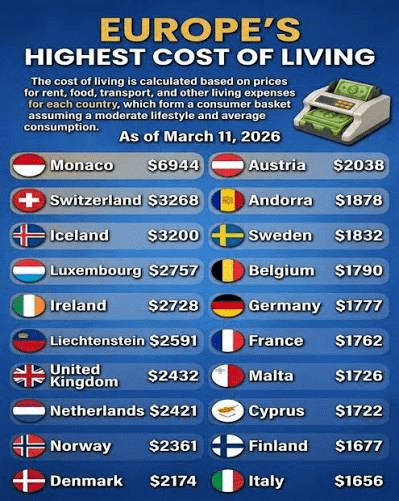
- Portugal: One of the Best Gateways to Europe
- Monthly income needed: €3,480, about $3,800
- Visa cost: about $165
- Duration: 2 years, renewable to 5 years
- Living cost: $1,750–$2,600 per month in Lisbon
Portugal is widely considered one of the best digital nomad visa options in Europe because it combines Schengen access, strong infrastructure, established expat communities, and a potential pathway toward long-term residency.
Tax treatment depends on your residency status and personal circumstances. Portugal has historically offered favorable tax programs for some foreign residents, but rules have changed significantly in recent years. Professional tax advice is strongly recommended before relocating.
Why Portugal Stands Out: Lisbon and Porto are packed with English speakers and digital nomad communities. You get Schengen access, good healthcare, reliable internet, and a clear route toward longer stays.
The main downside is rising housing costs. Lisbon has especially become more expensive as remote workers and foreign residents have moved in.
Portugal is best for remote workers who want Europe, stability, healthcare access, and a longer-term base instead of short tourist stays.
- Spain: Best Value for Families
- Monthly income needed: around €2,646, about $2,900
- Visa cost: about $90
- Duration: 1 year, renewable up to 3 years
- Living cost: $2,100–$3,000 per month in Barcelona
For remote workers moving with spouses or children, Spain may offer one of the best digital nomad visas currently available because of its family inclusion policies and relatively accessible income threshold.
Spain offers special tax regimes for certain qualifying foreign workers and remote professionals. Eligibility and tax rates depend on individual circumstances, residency status, and current regulations.
Why Families Choose Spain: Spain has strong infrastructure, international schools, good healthcare, and a familiar lifestyle for many expats. Madrid and Barcelona are major hubs, but Valencia, Málaga, Alicante, and Seville may offer better value for remote workers who want lower rent and a slower pace.
Spain works especially well for families, remote employees, and freelancers who want a European base without Portugal’s rising competition for housing.
- Greece: Underrated and Fast
- Monthly income needed: about $3,690
- Visa cost: about $80
- Duration: 1 year, renewable to 2 years.
- Processing time: around 10 days in some cases
- Living cost: $1,350–$2,000 per month in Athens
Applicants looking for quick approvals often consider Greece one of the easier digital nomad visa options in Europe due to its relatively fast processing times.
Best for Mediterranean Living: Greece offers lower living costs than Portugal or Spain, a strong Mediterranean lifestyle, good food, history, and a growing remote work community. Athens is the most practical base because of transport, hospitals, coworking spaces, and internet reliability.
The downside is that infrastructure can be weaker on smaller islands, especially outside tourist season. If you need stable work calls and fast internet, check your city carefully before relocating.
Greece may be one of the best digital nomad visa choices for people who want Europe, lower costs, and Mediterranean living without choosing the most crowded nomad hubs.
- Italy: Newer Option With a Lower Income Bar
- Monthly income needed: about $2,500
- Visa cost: about $120
- Duration: 1 year, renewable
- Living cost: $1,600–$2,400 per month in Rome
Italy’s digital nomad pathway is newer than Portugal or Spain, which makes it attractive but also slightly less predictable.
Ideal for Culture Lovers: Italy gives remote workers access to a Mediterranean lifestyle, historic cities, food culture, and a growing remote work scene. Rome, Milan, Florence, Naples, and smaller southern cities all offer different lifestyles.
The main challenge is that newer visa programs can come with unclear processing expectations in the early years. Applicants should verify requirements directly through Italy’s official immigration resources before applying.
Italy may be a strong option for remote workers who want European culture and lifestyle but prefer something newer and less saturated than Portugal or Spain.
- Estonia: For Tech-Forward Nomads
- Monthly income needed: about $3,200
- Visa cost: about $114
- Duration: 1 year
- Living cost: $1,300–$1,900 per month in Tallinn
Estonia remains one of the best digital nomad visa destinations for software developers, startup founders, and technology professionals because of its digital-first government services and startup ecosystem.
Best Choice for Tech Professionals: Estonia is known for e-residency, online government services, efficient digital infrastructure, and a serious tech culture. Tallinn is smaller than Lisbon or Barcelona, but it is clean, organized, and practical for focused work.
The downside is climate and social life. Winters are long and dark, and the smaller city size may feel isolating for people who want a large international nightlife or beach lifestyle.
Estonia is best for people who value speed, systems, technology, and digital administration over warm weather.
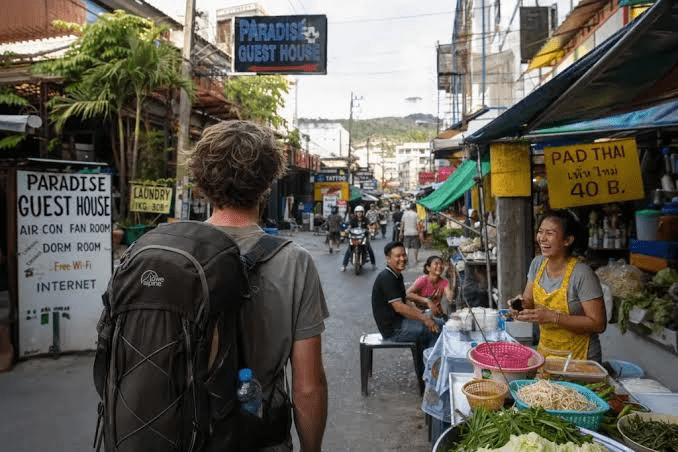
Southeast Asia: Budget-Friendly, Strong Communities
- Malaysia: Best Value in Asia
- Annual income needed: approximately $24,000
- Visa cost: around $220
- Duration: 1 year, renewable
- Living cost: $780–$1,260 per month in Kuala Lumpur
Among Asian destinations, Malaysia is frequently considered one of the best digital nomad visas for affordability, infrastructure, and quality of life.
Malaysia’s DE Rantau programme was designed specifically to attract remote workers and digital professionals. Kuala Lumpur offers modern infrastructure, excellent food, strong public transportation, and lower costs than Singapore, Dubai, or many European capitals.
Foreign-source income may receive favorable treatment depending on current Malaysian tax rules and your residency status. Always verify the latest regulations before relocating.
Why Malaysia Offers Great Value: Malaysia combines low living costs with first-world infrastructure. The Internet is reliable, English is widely spoken in business settings, and the country serves as a strong base for exploring the rest of Asia.
The downside is the climate. Malaysia is hot and humid year-round, which some people love, and others struggle with.
Malaysia may be one of the best digital nomad visa options for remote workers earning between $2,000 and $4,000 per month who want to maximize quality of life while minimizing expenses.
- Indonesia: Bali for Beach and Work
- Annual income needed: around $60,000
- Visa cost: approximately $150
- Duration: 1 year, renewable to 2 years
- Living cost: $750–$1,300 per month in Bali
Indonesia remains one of the most recognizable digital nomad destinations in the world because of Bali.
Lifestyle Highlights: Bali offers beaches, surfing, coworking spaces, cafes, wellness communities, and one of the largest remote work ecosystems globally. Areas such as Canggu and Ubud have become synonymous with the digital nomad lifestyle.
The downside is popularity. Bali has become significantly more crowded over the last few years. Traffic has increased, accommodation costs have risen, and internet quality can still vary depending on your exact location.
Remote workers considering Bali should also pay close attention to tax residency rules, particularly the 183-day threshold that applies in many countries.
Indonesia works best for people prioritizing lifestyle, community, and climate over bureaucracy or long-term residency pathways.
- Thailand: The Original Digital Nomad Hub
- Annual income needed: approximately $80,000
- Visa cost: around $1,440
- Duration: up to 10 years
- Living cost: $800–$1,300 per month in Chiang Mai
Although Thailand has one of the highest income thresholds in Asia, many remote workers still view it as one of the best digital nomad visa destinations because of its mature ecosystem and established nomad communities.
Chiang Mai remains one of the world’s most famous remote work cities. Bangkok provides more corporate opportunities and networking, while Phuket offers beach life and tourism infrastructure.
Why Thailand Remains Popular: Thailand combines affordability with one of the world’s strongest digital nomad ecosystems. Coworking spaces are everywhere, networking events are frequent, and there are thousands of remote workers already established there.
The downside is complexity. Visa requirements can be difficult to navigate and often require professional guidance. Many applicants work with visa specialists or relocation agencies.
Thailand may be one of the best digital nomad visa options for experienced remote workers earning higher incomes who want access to Asia’s most mature nomad ecosystem.
Latin America: Lower Barriers and Lower Costs

- Colombia: Lowest Income Requirement on the List
- Monthly income needed: approximately $900
- Visa cost: around $180
- Duration: 2 years, although physical stay limits may apply
- Living cost: $690–$1,190 per month in Medellín
For lower-income freelancers and creators, Colombia may be the easiest digital nomad visa currently available because of its relatively low income requirement and affordable cost of living.
Tax obligations depend on your length of stay and tax residency status. Consult a tax professional before assuming foreign income will remain untaxed.
Best Budget-Friendly Option: Medellín has become one of the world’s fastest-growing digital nomad hubs. The city offers spring-like weather throughout the year, affordable housing, strong coworking communities, and regular networking events.
The main challenge is long-term planning. Depending on your visa type and residency status, you may need to carefully monitor your days spent in the country.
For freelancers earning between $1,500 and $3,000 monthly, Colombia may offer the best digital nomad visa from an affordability perspective.
- Ecuador: Best for Long-Term Stability
- Monthly income needed: approximately $1,350
- Visa cost: around $485
- Duration: 2 years
- Living cost: $645–$1,015 per month in Cuenca
Why it works: Ecuador offers something Colombia does not always provide: simplicity for people who want to stay in one place for longer periods.
Cities like Quito and Cuenca provide walkability, lower housing costs, and a slower pace of life than many major cities.
The downside is infrastructure. English is less common, public transport is less developed, and digital nomad communities are smaller.
Ecuador works well for remote workers who prioritize affordability and long-term stability over nightlife or large expat communities.
- Mexico: Best for North Americans
- Monthly income needed: approximately $1,620 or savings requirements
- Visa cost: $150–$350
- Duration: 6 months to 4 years
- Living cost: approximately $1,020–$1,620 per month in Mexico City
Mexico continues to rank highly among digital nomad visa countries because of its flexibility, healthcare quality, and accessibility for North American professionals.
Tax obligations vary depending on residency status and individual circumstances. Long-term residents may become subject to local tax rules.
Why it works: Mexico City, Playa del Carmen, Oaxaca, and Guadalajara have become major remote work hubs. Healthcare is strong and relatively affordable, and flights to North America are short and frequent.
The downside is inconsistency. Requirements can vary depending on where you apply and which consulate processes your application.
Mexico remains one of the best digital nomad visa choices for remote workers who want proximity to North America without North American living costs.
Middle East: Premium Options for High Earners

- Dubai: Tax Efficiency and Global Connectivity
- Monthly income needed: $5,000+
- Visa cost: approximately $287
- Duration: 1 year
- Living cost: $1,900–$3,160 per month
For high-income founders and consultants, Dubai is often regarded as the best digital nomad visa destination from a tax and business infrastructure perspective.
The UAE generally does not impose personal income tax on employment income. However, home-country tax obligations may still apply depending on citizenship and tax residency status.
Why it works: Dubai offers exceptional infrastructure, safety, world-class airports, international schools, healthcare, and business opportunities.
For entrepreneurs earning significant income, the tax advantages alone can offset the higher cost of living.
The downside is affordability. Dubai only becomes financially attractive if your income is substantially above the minimum threshold.
Dubai works best for consultants, founders, executives, and established remote professionals earning well above average remote work salaries.
Which Is the Best Digital Nomad Visa for Your Situation?
The best digital nomad visa is rarely the cheapest option.
Instead, it is usually the visa that aligns most closely with your income, work type, tax planning needs, family considerations, and lifestyle preferences.
Use this framework:
Your income is under $2,000 per month
Best options:
- Colombia
- Ecuador
- Malaysia
- Vietnam (where applicable)
These countries offer lower income requirements and lower living costs, allowing newer freelancers and creators to relocate without financial strain.
Your income is between $2,000 and $3,500 per month
Best options:
- Spain
- Greece
- Portugal
- Estonia
- Mexico
This income range opens up many of the strongest European and Latin American options.
Your income is between $3,500 and $5,000 per month
Best options:
- Portugal
- Spain
- Thailand
- Indonesia
- Malta
At this level, remote workers gain access to a much wider range of destinations without compromising quality of life.
Your income exceeds $5,000 per month
Best options:
- Dubai
- Portugal
- Spain
- Thailand
- Malta
Higher earners can prioritize infrastructure, tax efficiency, and long-term residency opportunities over affordability.
Traveling with a spouse or children?
Strong options include:
- Spain
- Portugal
- Mexico
- Colombia
These countries generally offer family-friendly visa pathways and stronger educational infrastructure.
Want Schengen access and long-term European stability?
Best choices:
- Portugal
- Spain
- Italy
- Estonia
Quick Decision Guide
Still unsure? Here’s a simple recommendation based on your priorities.
| Lowest income requirement | Colombia |
| Cheapest living costs | Ecuador |
| Long-term European residency | Portugal |
| Family-friendly relocation | Spain |
| Premium lifestyle | Dubai |
| Tech ecosystem | Estonia |
| Beach lifestyle | Indonesia |
| Largest digital nomad community | Thailand |
Four Examples of Real People With Real Choices
The examples below demonstrate how different professionals often arrive at very different answers when choosing the best digital nomad visa for their circumstances.
- Sophia: Freelance Designer Earning $3,500 Monthly
Chosen country: Portugal
Sophia selected Portugal because it represented the best digital nomad visa option for a creative professional seeking European mobility and long-term residency opportunities.
Her income comfortably met Portugal’s requirements while giving her access to Lisbon’s growing creative ecosystem.
Outcome:
- Monthly expenses: around $1,800
- Strong freelance network
- Access to the rest of Europe
- Considering permanent residency in the future
- Marcus: Developer Earning $6,500 Monthly With Family
Chosen country: Spain
Marcus chose Spain because the lower income threshold made relocation easier while allowing his spouse and child to relocate with him.
Barcelona provided international schools, healthcare access, and strong expat networks.
Outcome:
- Family budget: around $2,500 monthly
- Access to international schools
- Strong quality of life
- Long-term residency options available
- James: Freelance Writer Earning $2,200 Monthly
Chosen country: Colombia
James focused on finding the easiest digital nomad visa that matched his freelance income without forcing him into a higher-cost destination.
Medellín provided affordability, community, and enough infrastructure to support client work.
Outcome:
- Monthly spending: approximately $850
- Strong savings potential
- Large international community
- Some administrative complexity around stay duration
- Priya: SaaS Founder Earning $15,000 Monthly
Chosen country: Dubai
For Priya, Dubai represented the best digital nomad visa from a tax optimization and business operations perspective.
The combination of international connectivity and zero personal income tax outweighed the higher cost of living.
Outcome:
- Premium lifestyle
- Significant tax savings
- Access to global markets
- Plans to stay for several years
Common Mistakes Digital Nomads Make
Ignoring Home Country Tax Rules
Your destination country may not tax foreign income.
Your home country may still do so.
US citizens, for example, remain subject to US tax obligations regardless of residence, although exclusions and treaties may apply.
Always seek professional tax advice before relocating.
Underestimating Healthcare Costs
Most digital nomad visa programs require private health insurance.
Budget approximately:
- $50–$150 monthly for individuals
- More for families
Choosing a Destination Based Only on Social Media
Instagram often shows the highlights.
It rarely shows:
- Housing shortages
- Visa delays
- Internet issues
- Healthcare limitations
- Seasonal weather changes
Visit first if possible.
Ignoring Community
Many remote workers underestimate isolation.
Coworking spaces, networking groups, local communities, and professional events often determine whether a move succeeds long-term.
Failing to Plan for Visa Expiry
Some programs renew easily.
Others require:
- Leaving the country
- Reapplying
- Switching visas
Always understand your exit strategy before moving.
How to Apply for a Digital Nomad Visa
Requirements vary by country, but most applications require:
- Passport valid for at least six months
- Bank statements showing income
- Employment verification or client contracts
- Accommodation evidence
- Health insurance
- Criminal background check
Typical Timeline
Week 1–2
Gather documents.
Week 2–3
Submit the application online or through an embassy.
Week 3–8
Wait for processing.
Week 8+
Receive approval and relocate.
Additional Costs to Budget For
Beyond government fees, many applicants also pay for:
- Document authentication
- Translation services
- Visa agents
- Flights
- Insurance
- Relocation expenses
Budget an additional $300–$1,500 beyond visa fees, depending on destination.
Essential Tools Every Digital Nomad Should Consider
Relocation involves much more than immigration paperwork.
Travel Insurance
Popular options include:
- SafetyWing
- World Nomads
- IMG Global
- Genki
VPN Services
Remote workers regularly rely on:
This becomes especially important when using public Wi-Fi networks.
International Banking
Managing multiple currencies becomes easier with:
Freelance Platforms
Many digital nomads generate income through:
Remote Job Boards
Remote employees frequently use:
Language Learning Apps
Learning basic local phrases dramatically improves daily life abroad.
Popular options include:
- Duolingo
- Babbel
- Busuu
- Memrise
- italki
Official Immigration Resources
Always verify information directly through government websites before applying.
- Portugal Ministry of Foreign Affairs
- Spain Ministry of Inclusion, Social Security and Migration
- Estonia Police and Border Guard Board
- Croatia Ministry of the Interior
- Malta Residency Agency
- Dubai Department of Economy and Tourism
- Thailand Board of Investment
- Government of Canada
- Ministry of Foreign Affairs of Japan
Requirements can change multiple times every year.
Frequently Asked Questions
What is the best digital nomad visa in 2026?
The best digital nomad visa depends heavily on income level, lifestyle, family considerations, and long-term goals.
Portugal and Spain are strong European options, Colombia is attractive for affordability, while Dubai is often preferred by higher-income professionals.
Which country has the easiest digital nomad visa?
Colombia is widely considered one of the easiest digital nomad visa options because of its relatively low income requirement.
Malaysia and Spain are also accessible for many remote workers.
Which digital nomad visa is best for low-income freelancers?
Colombia, Ecuador, and Malaysia are among the strongest choices because of their lower income thresholds and affordable living costs.
Which are the best digital nomad visa countries in Europe?
Portugal, Spain, Greece, Italy, and Estonia remain among the strongest European options depending on whether you prioritize lifestyle, affordability, or long-term residency opportunities.
Can I work for my existing employer?
Yes.
Digital nomad visas were specifically designed for this scenario.
You continue working for employers or clients outside your destination country.
Can these visas lead to permanent residency?
Some can.
Portugal and Spain, for example, offer potential pathways toward longer-term residence depending on local rules and your circumstances.
Others focus exclusively on temporary stays.
Can I apply while on a tourist visa?
Sometimes.
Spain and Portugal have allowed in-country applications in certain situations.
Others require applications from your country of residence.
Always verify before traveling.
Final Thoughts
The digital nomad visa landscape has expanded rapidly over the last few years.
Remote workers are no longer limited to tourist visa runs or legal grey areas. There are now legitimate pathways for freelancers, remote employees, founders, consultants, and online business owners to live abroad legally.
The best digital nomad visa is not necessarily the cheapest or the most popular option.
It is the one that aligns with your income, priorities, tax position, family needs, and preferred lifestyle.
Your first visa may simply be a test.
Your second may reflect what you learned about taxes, community, cost of living, and long-term comfort.
Take your time.
Compare official requirements carefully.
Speak to professionals when necessary.
And remember that the visa is only the paperwork.
The real decision is choosing the environment that will support the life and work you want to build.