
A few years ago, moving abroad felt like something reserved for retirees, diplomats, or people willing to take huge risks. Not anymore.
The best countries to work, study, & live abroad in 2026 have become more accessible, better supported, and in many cases, financially smarter than ever before. More than 50 countries now offer official digital nomad visas. Universities across Europe and Asia are lowering tuition costs for international students. And global expat communities have grown into massive support networks instead of small niche groups (Forbes, 2026).
Dozens of universities have slashed tuition for international students. And the global expat community has grown into a movement, not a niche.
But with so many options, the bigger question isn’t whether you can go abroad.
It’s where you should actually go.
This guide breaks it down clearly. Whether you’re a remote worker looking for the best country to base yourself in, a student searching for affordable world-class education, or someone planning a complete life reset abroad, you’ll find practical options that fit different goals and budgets.
Why 2026 is the Best Year Yet to Move Abroad
A lot has changed in the last few years, and it’s made international living far more realistic for ordinary people.
Remote work is no longer a niche lifestyle. Millions of professionals now work for companies in one country while living in another, and governments have started competing to attract those remote workers through special visa programs. Digital nomad visas have expanded rapidly, too. Back in 2019, only a few countries offered structured pathways for remote workers. In 2026, more than 50 countries have dedicated remote-work or nomad visas across Europe, Latin America, Asia, and the Middle East.
Studying abroad has also become more affordable than many people realize. Countries like Germany, Hungary, and Norway now offer heavily subsidized or tuition-free education options for international students, making global education much more accessible.
At the same time, expat communities have exploded online. Platforms like Meetup, Internations, and Nomad List make it easier than ever to find housing advice, local events, and people going through the exact same transition you are.
Read Also: Best AI Tools in 2026 to Work Smarter, Earn More, and Stay Ahead
The result is simple: moving abroad today feels less like a gamble and more like a strategic life decision.
Best Countries to Work Abroad in 2026
Whether you’re a freelancer, a remote employee, or a digital entrepreneur, these countries offer the best combination of official work visas, infrastructure, cost of living, and quality of life.
Related Reading: How to Start Freelancing: The Proven Beginner’s Guide, 2026
- What we looked at: Official digital nomad visa availability, income requirements, visa length, internet speed, coworking culture, and expat community strength.
- Data sourced from: CitizenRemote and Forbes
Portugal has stayed at the top of digital nomad rankings for years and, in 2026, still deserves attention.
1. Portugal – Europe’s Most Balanced Digital Nomad Destination
Its D8 Digital Nomad Visa is one of the clearest and most established remote-work visa programs in Europe. If you meet the income requirements, you can legally live in Portugal while working for employers or clients outside the country. Over time, the visa can also create a pathway toward permanent residency or citizenship.
- Best Cities for Remote Workers:
- Lisbon – energetic, international, fast internet, strong startup culture
- Porto – more affordable than Lisbon, creative atmosphere, beautiful riverside areas
- Madeira – famous island hub for digital nomads and remote workers
- Algarve – coastal lifestyle, warm weather, slower pace of life
- Cost of Living Snapshot: A comfortable lifestyle in Lisbon typically costs around €1,500-€2,200/month for a single person, including rent.
- Why Portugal Works: Portugal offers safety, high-quality healthcare, robust infrastructure, and a welcoming environment for foreigners. For remote workers who want long-term stability in Europe without the intensity or cost of cities like London or Paris, it remains one of the strongest overall options available.
2. Spain, Lifestyle + Legal Clarity in One Country
Spain introduced its Digital Nomad Visa under the Startup Act in 2023, and in 2026, it is one of the most popular legal pathways for remote professionals in Europe.
Cities like Barcelona, Madrid, and Malaga now have large communities of remote workers, freelancers, and online entrepreneurs, making it easy to settle in and connect with people quickly.
- The visa at a glance:
- Visa length: Up to 1 year (initial), renewable up to 5 years total
- Income requirement: €2,760/month minimum
- At least 80% of income must come from outside Spain
- Eligible for Spain’s special expat tax regime (Beckham Law)
- Best cities for remote workers:
- Barcelona, best for those who want beach + city + startup energy
- Madrid, fast-paced, excellent transport, strong business network
- Valencia, the affordability sweet spot; sun, sea, and lower rents
- Málaga, fastest-growing nomad hub in Spain, great for year-round sunshine
- Cost of living snapshot (Valencia): Around €1,300-€1,900/month for a comfortable lifestyle
- Why Spain works: The quality of life is genuinely hard to beat. Great food, sunshine, culture, and healthcare, plus one of Europe’s most defined legal frameworks for working remotely.
3. Colombia, The Budget-Friendly Latin American Base
For remote workers who want more for less, Colombia has become one of the most talked-about destinations in 2026. The Type V Digital Nomad Visa is one of the most accessible in the Americas, with one of the lowest income thresholds globally.
- The visa at a glance:
- Visa length: Up to 2 years
- Income requirement: 3x the Colombian minimum wage ($1,100/month)
- Renewable
- Family members included with documentation
- Best cities for remote workers:
- Medellín, nicknamed the “City of Eternal Spring” for its year-round 22-26°C weather. Strong nomad community, excellent coworking spaces, affordable living.
- Bogotá, capital city, energy, great networking, more international amenities
- Cartagena, Caribbean coast life, slower рace, vibrant culture
- Cost of living snapshot (Medellín): A comfortable life costs around $900-$1,400/month, including rent in a nice neighborhood.
- Why Colombia works: If you earn in dollars or euros, Colombia gives you an extraordinary quality of life at a fraction of what you’d pay in North America or Europe. The nomad community in Medellín, especially, has become genuinely world-class.
4. UAE (Dubai), The Premium, Tax-Free Option
The UAE isn’t for everyone, but if you’re a high earner who wants world-class infrastructure, zero personal income tax, and a global network at your fingertips, Dubai may be the most financially strategic move you can make.
- The visa at a glance:
- Visa length: 1 year, annually renewable
- Income requirement: $5,000/month (earned abroad)
- Zero personal income tax on foreign eaming
- Can sponsor family members
- Mandatory health insurance
- Best cities:
- Dubai, the main hub, luxury, infrastructure, global business connections
- Abu Dhabi, slightly quieter, culturally rich, strong amenities
- Cost of living snapshot (Dubai): Higher than most, expect $3,000-$5,000/month for a comfortable expat lifestyle.
- Why the UAE works: The biggest advantage is financial. For high-income remote workers or business owners, the absence of personal income tax can make a major difference over time. Combined with strong infrastructure, safety, international connectivity, and a highly global environment, Dubai especially appeals to professionals who prioritize convenience and business opportunities.
5. Croatia, Adriatic Lifestyle, European Access
Croatia has rapidly emerged as one of Europe’s top coastal destinations for remote workers. The digital nomad residence permit offers up to 18 months, longer than most European programs, with a renewal option.
- The visa at a glance:
- Visa length: Up to 18 months, renewable for another 18 months
- Income requirement: €2,300+/month
- Remote work for foreign employers only
- Best cities:
- Split, historic stone city meets beach life, growing nomad scene
- Dubrovnik, stunning but pricey (and touristy in peak season)
- Zadar, underrated, affordable, beautiful coastline
- Why Croatia works: You get the Mediterranean lifestyle, warm sea, old towns, great food and wine, without the price tag of France or Italy. The 18-month visa is unusually flexible.
6. Estonia, The Techie’s European Base
Estonia isn’t the warmest or cheapest option, but it’s the most digitally advanced country in Europe. The government operates almost entirely online (you can start a business in Estonia in a day), and the digital nomad visa was among the first in the world.
- The visa at a glance:
- Visa lengths: 12 months (non-renewable, but reapplicable)
- Income requirement: €4,500/month gross
- Strong digital infrastructure, fast internet everywhere
- Best cities:
- Tallinn, medieval old town + startup ecosystem = a unique combination
- Tartu, university city with a youthful energy
- Why Estonia works: Best suited to tech workers, developers, and founders who value digital efficiency above lifestyle. The EU location also makes it easy to travel across Europe.
Best Countries to Study Abroad in 2026
Studying abroad doesn’t have to mean taking on massive debt. These countries offer world-class education, many with tuition that’s free or close to it for international students.
- Data sourced from: GoAbroad.com (https://www.goabroad.com/study-abroad)
1. Germany, Tuition-Free University for International Students
Germany is the single best deal in international higher education, full stop.
Public universities in Germany charge no tuition for most international students, regardless of your nationality. You pay only a small semester fee (typically €150-€350) that often includes a public transport pass for the city.
- Why Germany tops the list:
- Tuition-free public universities for international students
- World-ranked programs in engineering, technology, business, and sciences
- DAAD scholarships cover living costs for many students
- Major university cities: Berlin, Munich, Hamburg, Leipzig
- Students can work up to 20 hours/week during the term
- Average monthly cost of living: €700-€1,100 (cheaper in Leipzig or Dresden vs. Munich)
- Important Note: Many German-taught programs require at least B2-level proficiency in German. However, there are now hundreds of English-taught programs available, especially at the master’s level. The DAAD database is one of the best places to search for them.
- Check the DAAD database for English-taught programs.
2. Poland, Affordable, Underrated, Central Europe
Poland rarely gets the credit it deserves as a study destination. It offers low tuition (€1000-€4,000/year at many institutions), even lower living costs, and strong programs in medicine, engineering, and business.
- Erasmus + scholarships are widely available
- Cities like Warsaw and Kraków are safe, vibrant, and welcoming to international students
- Average monthly cost of living: €500-€800
- Many programs are offered in English
- Bonus: Poland’s central European location makes weekend travel to Prague, Vienna, and Berlin easy and cheap.
3. Malaysia, Asia’s Most Accessible Study Hub
If you’re looking for quality education in Asia without the cost of Australia or Singapore, Malaysia is your answer. Home to branch campuses of top UK and Australian universities, Malaysia offers tuition that’s a fraction of what you’d pay at the home institution.
- The University of Malaysia ranks among Asia’s top 100
- Branch campuses of Monash, Curtin, Nottingham, and others
- Tuition: RM15,000-RM40,000/year ($3,000-$9,000)
- Cost of living in Kuala Lumpur: $600-$900/month
- Multicultural, English-widely spoken, stable country
4. Hungary, Scholarships That Cover Everything
Hungary has quietly become one of the top destinations for students from Africa, Asia, and the Americas, largely thanks to the Stipendium Hungaricum scholarship, which covers tuition, accommodation, and a monthly stipend for thousands of international students each year.
- Strong programs in medicine, pharmacy, engineering
- Budapest is one of Europe’s most beautiful and affordable capital cities
- Cost of living: €500-€750/month
- Program application is competitive but highly rewarding
5. South Africa, World-Class Education, Global Spending Power
For students from outside Africa, South Africa offers an exceptional value proposition. The University of Cape Town (UCT) and Stellenbosch University are internationally recognized institutions, and tuition is dramatically lower than equivalent programs in the UK, USA, or Australia.
- Exchange rate advantage: 1 USD = 18+ ZAR (as of 2026)
- UCT consistently ranks among Africa’s top universities
- Cape Town offers one of the best quality-of-life experiences globally
- Strong programs in business, environmental science, law, and medicine
Best Countries to Live Abroad in 2026
For those not just passing through, but genuinely relocating, building a life, and putting down roots, these countries consistently top expat surveys for quality of life, ease of settling in, safety, and long-term residency pathways.
1. Portugal
Already covered under work above, but worth repeating here. Portugal ranked #1 in the Expat Insider 2025 survey for overall quality of life. Healthcare is excellent and mostly affordable. The Portuguese are famously welcoming to foreigners. And the D7 Passive Income Visa (alongside the D8 nomad visa) makes it one of the easiest EU countries to gain residency in.
- Best for: Long-term settlers, retirees, remote workers, anyone seeking EU residency
2. Mexico, The Largest Expat Community in the World
Mexico is home to one of the largest expat communities globally, especially among Americans and Canadians. The lower cost of living, excellent food, varied climate, and strong cultural identity continue to attract long-term residents year after year.
- Residency pathway: The Temporary Resident Visa is one of the most straightforward in the world; income requirements are modest, and the process is well-documented.
- Best cities for expats:
- Mexico City (CDMX), massive, cosmopolitan, world-class food scene
- Guadalajara, Mexico’s tech hub, more affordable than CDMX
- Oaxaca, cultural richness, slower pace, growing remote worker community
- Playa del Carmen/Tulum, beach lifestyle, strong international community
- Cost of living: A comfortable life in Mexico City costs $1,200-$2,000/month
3. Thailand, Southeast Asia’s Most Popular Expat Base
Thailand has been drawing expats for decades, and in 2026, the Long-Term Resident (LTR) Visa formalized what was previously a grey area for many remote workers.
- LTR Visa targets high-earning remote professionals and retirees
- Chiang Mai is consistently rated one of the best digital nomad cities globally
- Bangkok offers urban amenities at a fraction of Western costs
- Warm climate, world-famous food, world-class healthcare in major cities
- Cost of living (Chiang Mai): $800- $1,400/month for a very comfortable life
4. Panama, The Americas’ Most Expat-Friendly Country
Panama punches above its weight when it comes to welcoming foreigners. The Friendly Nations Visa is one of the most accessible residency programs in the world for citizens of 50+ countries, and Panama City has modern infrastructure that rivals many Western capitals.
- The US dollar is the official currency, no exchange rate anxiety
- Affordable healthcare and a growing medical tourism sector
- Strategic location between North and South America
- Hub Chic retirement and expat communities in Bocas del Toro, Boquete, and Panama City
5. Japan, The Newcomer Destination for 2026
Japan has traditionally been difficult to move to permanently. But a series of new visa pathways launched in 2025-2026, targeting highly skilled remote professionals and global talent, has opened the door.
- World-class infrastructure and safety
- Tokyo and Osaka are global cities with deep culture and excellent transport
- Relatively affordable cost of living compared to reputation (outside Tokyo’s premium areas)
- Growing English-friendly ecosystem for expats and international professionals
- Honest note: Japan still requires a genuine commitment to adapting to daily life over the long term, and learning Japanese will significantly improve your experience. But people drawn to the culture, safety, and infrastructure can make it an incredibly rewarding place to build a life.
Quick Comparison: Best Countries to Work, Study & Live Abroad in 2026.
| Country | Best For | Visa Type | Min. Income | Est. Monthly Cost | English-Friendly |
|---|---|---|---|---|---|
| 🇵🇹 Portugal | Work + Long-term Living | D8 Digital Nomad Visa | €3,680/month | €1,500 – €2,200 | ✅ Yes (High) |
| 🇪🇸 Spain | Work + Lifestyle | Digital Nomad Visa | €2,760/month | €1,300 – €2,000 | 🟡 Moderate to High |
| 🇨🇴 Colombia | Work (Budget) | Type V Nomad Visa | $1,100/month | $900 – $1,400 | 🟡 Moderate |
| 🇦🇪 UAE (Dubai) | Premium Work | Virtual Working Visa | $5,000/month | $3,000 – $5,000 | ✅ Yes (Very High) |
| 🇭🇷 Croatia | Work + Beach Life | Digital Nomad Permit | €2,300/month | €1,200 – €1,800 | 🟡 Moderate |
| 🇩🇪 Germany | Study | Student Visa | N/A (Tuition-Free) | €700 – €1,100 | 🟡 Improving |
| 🇭🇺 Hungary | Study + Scholarships | Student Visa | N/A | €500 – €750 | ✅ Many English Programs |
| 🇲🇾 Malaysia | Study in Asia | Student Visa | N/A | $600 – $900 | ✅ Yes |
| 🇲🇽 Mexico | Living + Culture | Temporary Resident Visa | $1,620/month | $1,200 – $2,000 | 🟡 Moderate |
| 🇹🇭 Thailand | Living + Work | LTR Long-Term Visa | $80K/year | $800 – $1,400 | 🟡 Good in Tourist Areas |
| 🇯🇵 Japan | Living (Emerging) | Skilled Worker / Nomad Options | Varies | $1,500 – $2,500 | 🟡 Growing |
How to Choose the Right Country for You
There’s no single “best” country for everyone. The right destination depends on your priorities, budget, and long-term goals.
1. Start With Your Main Goal
Ask yourself what matters most right now.
- If you’re a remote worker or freelancer, focus on countries with strong digital nomad visa programs such as Portugal, Spain, Colombia, or the UAE.
- If you’re a student, prioritize affordable tuition, scholarships, and program quality in places like Germany, Hungary, or Malaysia.
- If you’re planning a long-term move, pay closer attention to residency pathways, healthcare, safety, and cost of living.
2. Be Realistic About Your Budget
A remote income that feels comfortable in Medellín or Chiang Mai may feel tight in Lisbon and very limited in Dubai. Matching your destination to your actual financial situation matters more than choosing the trendiest country online.
3. Your Lifestyle Preferences
- Love sunshine and beaches? → Spain, Portugal, Croatia, Thailand
- Prefer urban energy and career networking? → Dubai, Tokyo, Bogotá
- Want peace, nature, and lower cost? → Boquete (Panama), Chiang Mai, smaller Polish cities
- Need English everywhere? → Portugal, UAE, Malaysia, Mexico tourist areas
4. Your Long-Term Plan
If you might want permanent residency eventually, choose a country with a clear pathway. Portugal, Germany (after 5 years residency), or Panama (Friendly Nations Visa → permanent residence in 2-3 years). If you’re a slow traveler who’ll move every 12-18 months, that matters less.
Practical Steps to Make Your Move
Step 1: Research Your Target Country’s Visa Requirements
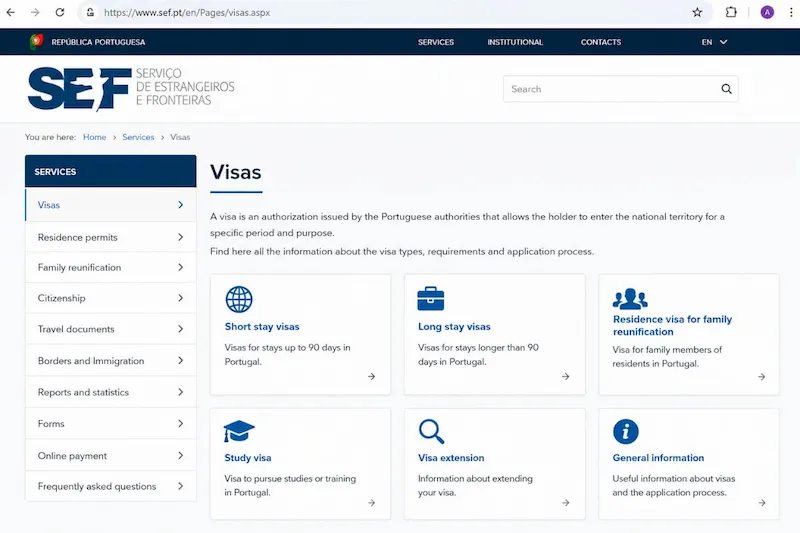
Blogs are useful for getting ideas, but always confirm requirements directly through official Immigration websites before making plans. Visa rules, income thresholds, and document requirements can change quickly.
- For EU digital nomad visas: CitizenRemote
- For study abroad programs: Goabroad.com
- For official visa pages: Use the country’s immigration authority website directly
Step 2: Organize Your Financial Records Early
Most countries want proof that your income is stable and legitimate. If you freelance or work online, start organizing invoices, contracts, tax documents, and bank statements several months before applying.
Step 3: Sort Out Health Insurance Before You Move
Nearly every visa program now requires health insurance coverage. Don’t leave this until the last minute, especially if you’re applying for long-term residency.
Step 4: Sort Your Banking
Open an account with a bank that won’t drain you in international fees. Consider:
- Wise (multi-currency, great exchange rates)
- Revolut (popular in Europe)
- Charles Schwab (no ATM fees globally, excellent for Americans)
Step 5: Find Housing Before You Arrive
Use a 1-3-month Airbnb or serviced apartment for your first arrival, then switch to longer-term rentals once you know the city. Local Facebook groups, Idealista (Europe), Trova Trip (nomads), and Numbeo for cost benchmarking are invaluable.
Step 6: Connect With Local Expat Community
Don’t wait until you feel lonely. Before you even arrive, search:
- Meetup.com for your destination city + “expat” or “digital nomad”
- Internations.org for organized expat events
- Facebook Groups, nearly every destination has a dedicated expat group
Frequently Asked Questions
Which country is easiest to move to in 2026?
Portugal and Mexico consistently rank as the easiest for most nationalities. Portugal’s D8 Visa has clear requirements, and Mexico’s Temporary Resident Visa has one of the lowest income thresholds globally.
Can I legally work remotely in another country?
Yes, but only if you have the right visa. Working on a tourist visa is illegal in most countries, even if your employer is based elsewhere. Digital nomad visas resolve this by giving you legal residency tied to remote foreign income.
What’s the cheapest country to study abroad?
Germany is the standout, as most public universities charge zero tuition to international students. You only pay a semester admin fee (€150-€350). Hungary is close behind, especially with the Stipendium Hungaricum scholarship.
How much money do I need to live abroad comfortably?
It varies enormously by destination. A rough guide:
Southeast Asia (Thailand. Malaysial): $800-$1,500/month
Latin America (Colombia, Mexico): $1,000-$2,000/month
Southern Europe (Portugal, Spain): €1,500-€2,500/month
Middle East (UAE): $3,000-$5,000+/month
Do I need to speak the local language?
Not for most popular expat destinations: English is widely spoken in Portugal, the UAE, Malaysia, and most digital nomad hubs in Colombia and Croatia. However, even learning basic conversational phrases will dramatically improve your experience, and locals always appreciate the effort.
Final Thoughts: The World Has Opened Up. What You Do With That Is Up to You
Moving abroad in 2026 is no longer an unrealistic dream for a small group of people. The visa systems exist. Remote work exists. International communities exist. The barriers are lower than they’ve ever been.
What matters now is clarity and action.
Whether you want a better quality of life in Portugal, affordable education in Germany, a remote-work lifestyle in Colombia, or a fresh start somewhere completely new, there has never been a better time to explore the possibility seriously.
Wherever you choose to base yourself, the next step is building a wealth system that works regardless of where you live.
Further Reading: How to Build Wealth Online: A Complete Roadmap for the Digital Generation
You do not need to figure out your entire future this week.
Start with one step: Choose one country from this guide, visit its official visa or university website, and spend 30 minutes researching what the process actually looks like.
That single step is how most international moves begin.
Sources
- Forbes Digital Nomad Visas 2026 —
https://www.forbes.com - CitizenRemote Best Countries for Digital Nomads 2026 —
https://citizenremote.com/blog/the-best-countries-for-digital-nomads-in-2026/ - Portugal SEF Immigration Authority —
https://www.sef.pt/en/Pages/visas.aspx - DAAD Study in Germany —
https://www.daad.de/en/ - GoAbroad Study Abroad Guide —
https://www.goabroad.com/study-abroad - Stipendium Hungaricum Scholarship —
https://stipendiumhungaricum.hu - Numbeo Cost of Living Data —
https://www.numbeo.com - Nomad List Digital Nomad Rankings —
https://nomadlist.com