

Quick Answer
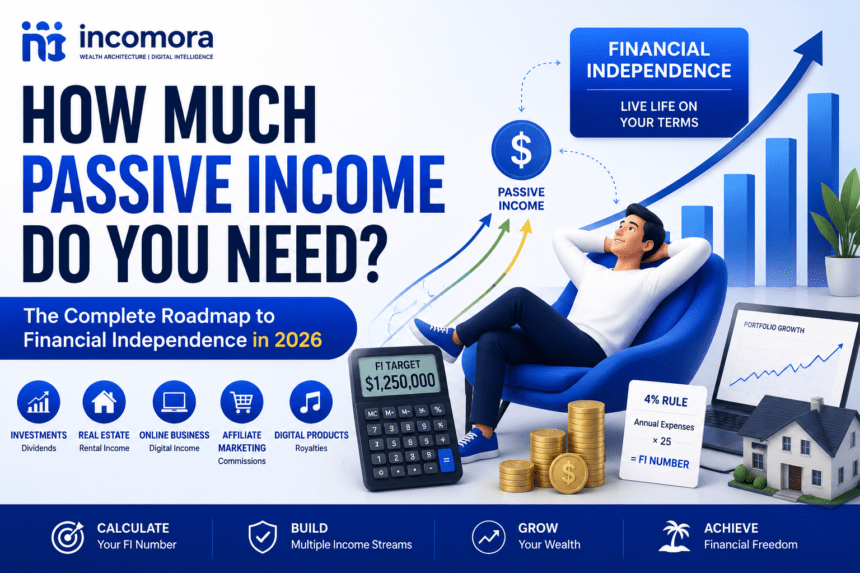
How much passive income do you need to become financially independent? Oh well, a practical target would be having enough recurring income to cover your annual living expenses after accounting for taxes, healthcare, inflation, and unexpected costs.
For example, someone who spends $3,000 per month needs at least $36,000 in annual passive income. Under the traditional Financial Independence, Retire Early (FIRE) framework, multiplying annual expenses by 25 yields an estimated financial independence target of $900,000.
That calculation is based on the 4% withdrawal guideline. It is a useful planning tool, not a guarantee. Morningstar’s 2026 retirement-income research continues to treat withdrawal rates as flexible estimates that depend on retirement length, asset allocation, market conditions, and spending behavior.
Imagine waking up every morning knowing your bills are already covered, not because you won the lottery, but because your investments, digital products, rental properties, or online business are generating income while you sleep.
That is the real goal of financial independence: creating enough passive income to support your lifestyle without depending entirely on a paycheck. It is not about getting rich overnight. It is about building assets that steadily produce income until work becomes a choice rather than a necessity.
The amount of passive income you need depends on your monthly expenses, lifestyle, location, taxes, inflation, family responsibilities, healthcare needs, and expected investment returns. Someone living in a lower-cost country may reach financial independence much sooner than someone living in an expensive city.
The good news is that financial independence is measurable. You can calculate it, build a strategy around it, and improve that strategy over time.
Key Takeaways
- Financial independence depends more on your expenses than your salary.
- The 4% rule is a useful starting point, but it is not a promise.
- Your FIRE number is usually based on annual expenses multiplied by 25.
- Multiple passive income streams can reduce dependence on one source.
- Reinvesting early income can accelerate compound growth.
- Diversification can reduce concentration risk, although it cannot eliminate investment losses.
- Taxes can significantly reduce usable passive income, so gross income and spendable income are not always the same.
READ ALSO: How to Invest With Little Money ($100 or Less): Best Beginner’s Guide for 2026
What Financial Independence Means
Financial independence means your investments and income-producing assets generate enough money to support your lifestyle without requiring you to remain fully dependent on employment.
Instead of exchanging time for money every day, part of your income comes from assets you already own or systems you have already built.
For some people, this means retiring early. For others, it means:
- Working fewer hours
- Changing careers
- Starting a business
- Spending more time with family
- Traveling more often
- Leaving a stressful job
- Choosing work based on purpose rather than necessity
Financial independence is not necessarily about doing nothing. It is about having more control over how you spend your time.
What Is FIRE Retirement?
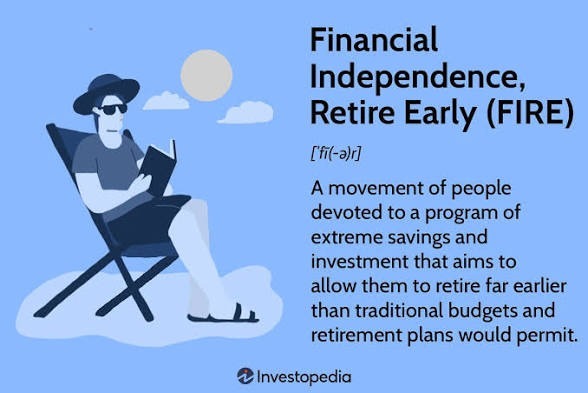
The FIRE here stands for Financial Independence, Retire Early.
The FIRE method is a personal-finance strategy focused on controlling expenses, saving aggressively, investing consistently, and accumulating enough assets to reduce or eliminate dependence on employment income.
The basic FIRE strategy starts with spending rather than salary.
You calculate how much your lifestyle costs each year, estimate the investment portfolio required to support those expenses, and then build toward that target through investing, income growth, and expense control.
Not everyone following FIRE wants to stop working permanently. Many use FIRE principles to gain career flexibility, reduce financial anxiety, or reach a point where paid work becomes optional.
SEE ALSO: How to Build Wealth Online: A Complete Roadmap for the Digital Generation
What Is Passive Income?
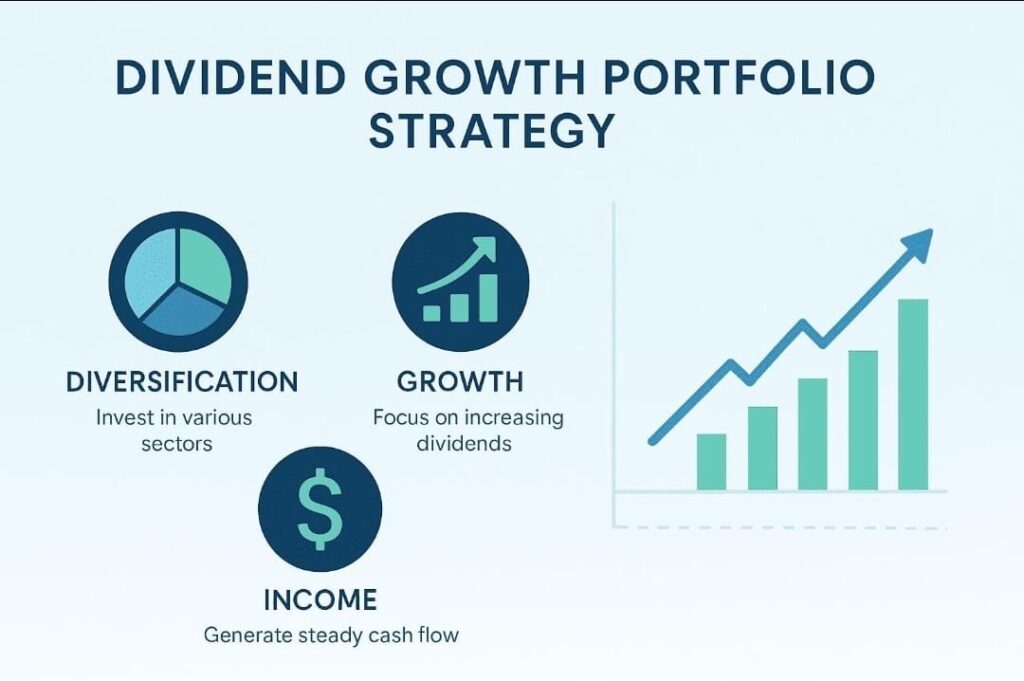
Passive income is money earned from investments, assets, or systems that continue generating revenue after the initial work or capital has been invested.
Common examples include dividends, rental income, digital products, affiliate commissions, royalties, online courses, and automated businesses.
Passive income is not completely effortless. Most passive income sources require upfront time, money, or expertise, but they can continue producing income with less ongoing work than a traditional job.
Why Passive Income Matters towards Getting Financial Independence
Traditional employment has one major limitation: when you stop working, your income usually stops too.
Passive income changes that equation by allowing assets, investments, or systems to continue generating money after the initial work has been completed.
Common passive income sources include:
- Dividend investments
- Rental properties
- Real estate investment trusts
- Blogs and content websites
- Affiliate marketing
- Digital products
- Online courses
- Royalties
- High-yield savings
- Bonds
- Automated online businesses

A strong financial-independence plan does not always rely on one source. Several smaller income streams can work together to cover living expenses.
For example, someone may receive:
- $8,000 annually from dividends
- $10,000 from rental profits
- $6,000 from digital products
- $12,000 from portfolio withdrawals
Together, those sources provide $36,000 in annual cash flow.
How Much Passive Income Do You Need for Financial Independence?
The answer begins with one question:
How much does your lifestyle cost each year?
If your income-producing assets generate enough money to cover that amount consistently, you are moving toward financial independence.
Suppose Emma spends $3,000 each month on:
- Housing
- Food
- Transportation
- Insurance
- Healthcare
- Utilities
- Entertainment
- Travel
- Family responsibilities
Her annual expenses equal:
$3,000 × 12 = $36,000
Her basic passive-income target is therefore $36,000 per year.
However, she may need more after allowing for taxes, inflation, repairs, healthcare, and unexpected costs. A more realistic working target might be $40,000 to $45,000 annually.
The goal is not to become wealthy for appearance’s sake. The goal is to replace necessary expenses with sustainable income.
The 4% Rule
One of the most widely used retirement-planning guidelines is the 4% rule.
The formula is:
Annual expenses × 25 = Financial independence number
This works mathematically because:
1 ÷ 4% = 25
Example:
- Monthly expenses: $2,500
- Annual expenses: $30,000
- Estimated FI number: $30,000 × 25
- Estimated target: $750,000
The guideline is associated with William Bengen’s retirement-withdrawal research and later became widely known through other retirement studies. Morningstar’s 2026 research still discusses 4% as a common reference point while emphasizing that retirement spending plans should account for asset allocation, retirement length, and flexibility.
The 4% rule does not mean keeping your entire target in cash. Your assets may include:
- Stocks
- Exchange-traded funds
- Bonds
- Real estate
- REITs
- Rental property
- Businesses
- Digital products
- Other income-producing assets
It also does not guarantee that money will last forever. Market returns, inflation, taxes, healthcare expenses, fees, and spending patterns can change the outcome.
How to Calculate Your FI Number
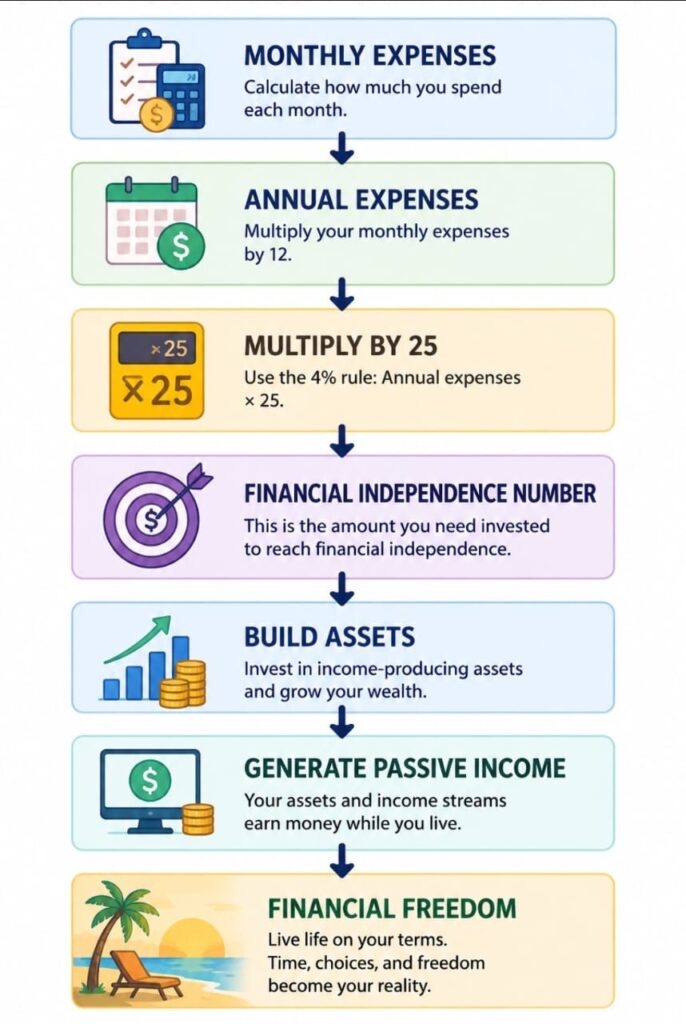
Use this four-step process:
- Calculate your average monthly expenses.
- Multiply that amount by 12.
- Multiply annual expenses by 25.
- Add an appropriate safety margin.
Example:
- Monthly expenses: $4,000
- Annual expenses: $48,000
- Basic FIRE number: $48,000 × 25
- Estimated target: $1.2 million
You can also test a more conservative withdrawal rate.
At 3.5%:
$48,000 ÷ 0.035 = approximately $1.37 million
Passive Income Target Formula
There are two useful calculations.
Expense-replacement method
Monthly expenses × 12 = annual passive-income target
Example:
- Monthly expenses: $3,500
- Annual target: $42,000
Portfolio method
Annual expenses ÷ withdrawal rate = estimated portfolio target
Using 4%:
$42,000 ÷ 0.04 = $1,050,000
Using 3.5%:
$42,000 ÷ 0.035 = $1,200,000
The first formula tells you how much annual income you need. The second estimates how much invested capital may be required to support that income.
Financial Independence Examples
| Monthly Expenses | Annual Expenses | FI Number at 4% | FI Number at 3.5% |
| $1,500 | $18,000 | $450,000 | About $514,286 |
| $2,500 | $30,000 | $750,000 | About $857,143 |
| $4,000 | $48,000 | $1.2 million | About $1.37 million |
| $6,000 | $72,000 | $1.8 million | About $2.06 million |
| $10,000 | $120,000 | $3 million | About $3.43 million |
These figures are planning estimates.
They do not include pensions, government benefits, part-time income, rental profits, or business revenue. If dependable income from those sources covers part of your expenses, your required investment portfolio may be lower.
Add a Safety Margin
Your calculated FI number should not be treated as an exact finish line.
Consider adding 10% to 25% for:
- Taxes
- Healthcare
- Home repairs
- Vehicle replacement
- Travel
- Inflation
- Family support
- Insurance
- Market downturns
- Lifestyle changes
If your estimated target is $1 million, a 15% safety margin increases the working target to $1.15 million.
This is especially important for people planning a retirement that may last 40 years or longer.
Passive Income Roadmap
Step 1: Track and Reduce Expenses
Track your spending for 30 to 90 days.
Group expenses into:
- Housing
- Food
- Transportation
- Healthcare
- Insurance
- Debt
- Subscriptions
- Entertainment
- Travel
Every recurring expense you remove reduces your passive-income target and your FIRE number.
Step 2: Calculate Your FIRE Number
Use:
Annual expenses × 25
This gives you a baseline target.
Then test your plan at 3.5% and add a safety margin.
Step 3: Build a Core Portfolio
A sensible FIRE investment portfolio generally prioritizes:
- Diversification
- Low costs
- Liquidity
- Long-term growth
- Appropriate risk
Investor.gov explains that asset allocation involves spreading investments across categories such as stocks, bonds, and cash, while diversification spreads risk across multiple investments.
A simple core may include:
- Broad-market stock ETFs
- Bond funds
- Cash reserves
- Retirement accounts
- Tax-efficient brokerage accounts
The goal is not to chase the highest yield. It is to build a resilient foundation.
Step 4: Add Income-Producing Assets
You may add:
- Dividend ETFs
- Quality dividend stocks
- REITs
- Rental properties
- Bonds
- Digital products
- Affiliate websites
- Online businesses
A combination can be more resilient than relying on one source.
Step 5: Build Digital Income
For bloggers, creators, and entrepreneurs, digital income can help reduce the amount an investment portfolio must provide.
Options include:
- Niche websites
- Affiliate marketing
- Online courses
- Templates
- E-books
- Membership communities
- Micro-SaaS tools
- Lead-generation sites
These are not effortless. They require research, content, marketing, maintenance, and trust.
DISCOVER: Top SaaS Tools for Solopreneurs Under $50/Month: Your Complete Budget-Friendly Stack
Step 6: Reinvest Early Income
In the early years, reinvest as much passive income as practical.
Use it for:
- More ETF purchases
- Additional content
- Better systems
- Product development
- Marketing
- Automation
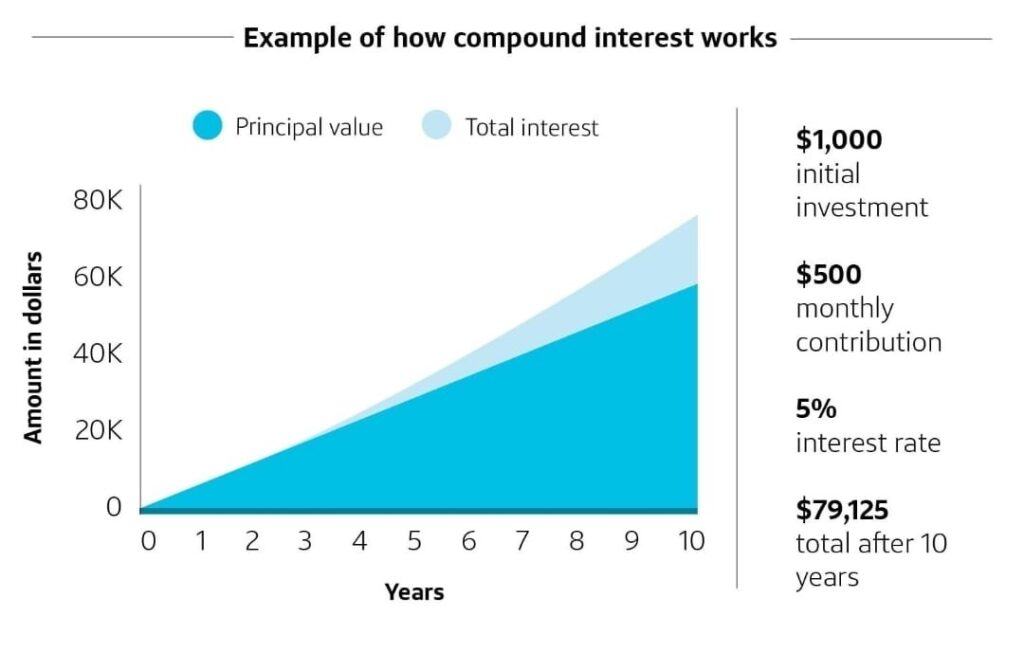
Investor.gov provides a compound-interest calculator that illustrates how contributions, time, and return assumptions can affect long-term growth.
Step 7: Prepare Withdrawal Rules
Before depending on passive income full-time, decide how you will respond to weak markets.
Possible safeguards include:
- One to three years of expenses in cash or short-term bonds
- Lower withdrawals during market declines
- Part-time work during early retirement
- Using lower-risk income for essential expenses
- Delaying optional purchases after poor investment years
Step 8: Review the Plan Annually
Review your FI number after:
- Marriage
- Children
- Moving
- Career changes
- Health changes
- Major inflation
- Tax changes
- New income streams
Financial independence is a moving target. That is normal.
Different Types of FIRE
Here are five types of FIRE frameworks you should look into and discover your style.
- Lean FIRE
Lean FIRE targets financial independence with a modest lifestyle and relatively low annual expenses.
- Fat FIRE
Fat FIRE requires a larger portfolio to support higher discretionary spending, travel, comfort, and healthcare flexibility.
- Coast FIRE
Coast FIRE means your existing investments may grow to your future target without requiring the same level of ongoing contributions.
- Barista FIRE
Barista FIRE combines investments with flexible or part-time work. Employment may cover current expenses while investments remain largely untouched.
- Traditional FIRE
Traditional FIRE aims to build enough invested wealth and passive income to cover most or all living expenses without depending on employment.
Practical Example
Sarah spends $2,500 per month.
Her annual expenses are:
$2,500 × 12 = $30,000
Using the 4% rule:
$30,000 × 25 = $750,000
Using 3.5%:
$30,000 ÷ 0.035 = approximately $857,143
She chooses $850,000 as her working target and builds:
- A diversified ETF portfolio
- Affiliate income from a blog
- A digital product
- A six-month emergency fund
Later, the blog and product generate $6,000 per year.
Her investment portfolio now needs to cover only $24,000 annually.
At 4%:
$24,000 ÷ 0.04 = $600,000
This shows how reliable passive income can reduce the investment portfolio required for financial independence.
Passive Income Versus Portfolio Withdrawals
Passive income may come from:
- Dividends
- Interest
- Rental profits
- Royalties
- Affiliate commissions
- Product sales
- Business distributions
Portfolio withdrawals may involve selling part of an investment portfolio.
A financial-independence plan may use both.
The important question is whether your total sustainable cash flow can support your lifestyle without placing excessive pressure on your assets.
Common Mistakes to Avoid
- Waiting for the perfect salary before investing
- Chasing unrealistic returns
- Depending on only one income stream
- Ignoring taxes
- Ignoring healthcare costs
- Spending passive income too early
- Underestimating inflation
- Assuming 4% is guaranteed
- Giving up because progress feels slow
Investment income, rental income, dividends, interest, royalties, and online-business income may be taxable depending on jurisdiction. The IRS notes that most income is taxable unless specifically exempted and that estimated tax may apply to income such as dividends, interest, capital gains, rents, and royalties.
Limitations of the 4% Rule
The 4% rule may be too optimistic when you face:
- Very long retirement periods
- High inflation
- Weak market returns
- High healthcare costs
- Heavy taxes
- Large unexpected expenses
- Inflexible spending
It can also be too conservative for some retirees with flexible spending, additional pensions, or shorter retirement periods.
The best approach is to use it as a baseline, compare several withdrawal rates, and review the plan regularly.
How We Developed This Guide
This guide combines established retirement-planning frameworks with practical passive-income strategies.
We reviewed:
- The traditional 4% guideline
- Current withdrawal-rate discussions
- Expense-based FIRE calculations
- Diversification principles
- Compound growth
- Tax considerations
- Investment and digital-income models
The examples are illustrative, not personalized projections.
Actual outcomes depend on investment performance, taxes, fees, inflation, spending behavior, and individual circumstances.
Final Answer: How Much Passive Income Do You Need?
How much passive income you need depends on your expenses, lifestyle, taxes, location, healthcare needs, and safety margin.
Start by calculating your annual spending. That is your basic passive-income target.
Multiplying it by 25 gives you a traditional FIRE-number estimate, but it should remain a planning baseline rather than a guarantee.
A stronger plan combines diversified investments, multiple income streams, controlled spending, emergency reserves, and flexible withdrawal rules.
Financial independence is not created by one formula. It is built by consistently increasing the gap between what you earn and spend, investing that difference, reinvesting early returns, and adjusting as life changes.
The goal is not simply to retire early.
It is to build enough financial resilience that work becomes a choice rather than a requirement.
Frequently Asked Questions
What is FIRE retirement?
FIRE stands for Financial Independence, Retire Early. It focuses on controlling expenses, saving aggressively, investing, and building enough assets to reduce dependence on employment.
What is the FIRE method?
The FIRE method commonly multiplies annual expenses by 25 to estimate the investment portfolio required under a 4% withdrawal guideline.
How much passive income do I need each month?
You need enough to cover your essential monthly expenses, taxes, irregular costs, and a safety margin. If your lifestyle costs $4,000 monthly, your target should usually exceed $4,000 before tax.
Is 25 times annual expenses enough?
It is a useful estimate, not a guarantee. Early retirees may prefer a larger target or lower withdrawal rate.
Does passive income reduce my FIRE number?
Reliable rental income, dividends, pensions, royalties, or business income can reduce the amount your portfolio must provide.
Can I start with $100?
Yes. You can begin with fractional investments, low-cost funds, a small digital product, or a content website. The starting amount matters less than consistency, cost control, and time.
Disclaimer: This article is for educational purposes only and does not constitute financial, investment, tax, or legal advice. Consult a qualified professional before making financial decisions.