

Quick Answer
Incomora provides expert technology reviews, product comparisons, and buying guides designed to help users make better purchasing decisions. Our guides compare products based on features, performance, value, usability, and real-world considerations rather than marketing claims alone.
Choosing tech products is harder than it should be. New devices, software, and online services launch constantly, and most buyers do not have time to investigate every feature, price, specification, and customer review before making a decision.

Incomora’s expert tech reviews, product comparisons, and buying guides bring that research together in one place. We evaluate laptops, smartphones, software, AI tools, VPNs, fintech apps, hosting platforms, productivity tools, and other technology products to help you compare options and make informed purchasing decisions.
This page serves as the central hub for Incomora’s Reviews and Comparisons section. It explains how we assess products, what our ratings mean, and which factors buyers should consider before choosing a technology product or digital service.
The goal is simple: help you understand what matters, compare products clearly, and choose the right technology for your needs.
Read Also: Best AI Tools in 2026 to Work Smarter, Earn More, and Stay Ahead
Quick Technology Comparison Framework
| Category | What We Compare |
| Hardware | Performance, battery life, durability, specifications |
| Software | Features, pricing, integrations, usability |
| AI Tools | Accuracy, speed, privacy, workflow improvement |
| Fintech Apps | Fees, currencies, security, payment options |
| Hosting | Speed, uptime, support, scalability |
About Our Review Process

Reviewed by: Incomora Editorial Team
Last updated: August 2026
Our technology reviews are researched and maintained by the Incomora editorial team, focusing on practical comparisons, product usability, pricing, security considerations, and long-term value.
Key Takeaways
- Expert tech reviews should focus on real-world performance, not only specifications.
- Product comparisons should explain meaningful differences between competing products.
- Buying guides should recommend options for different budgets, workflows, and experience levels.
- Price alone does not determine value.
- Long-term support, reliability, privacy, and security matter as much as features.
- The best product is the one that solves the user’s problem with the fewest unnecessary trade-offs.
- Incomora uses a consistent rating framework to make reviews easier to understand and compare.
What You Will Find in This Guide
This pillar page covers:
- How Incomora reviews technology products
- The criteria used in product ratings
- How we compare competing products
- The main technology categories covered
- How to evaluate laptops, smartphones, software, AI tools, VPNs, fintech apps, and hosting platforms
- A practical buying-guide framework
- Common questions about tech reviews and product comparisons
Discover Also: How to Use AI to Find and Apply for Remote Jobs Faster in 2026
Expert Tech Reviews, Product Comparisons, and Buying Guides at Incomora
Incomora publishes three main types of review content:
- Expert tech reviews that evaluate individual products in depth.
- Product comparisons that examine competing options side by side.
- Buying guides that recommend suitable products for different needs, budgets, and user groups.
Together, these resources help readers understand product performance, identify important trade-offs, compare long-term costs, and choose technology that fits their actual workflow.
Why Trust Incomora
At Incomora, our goal is to help readers make informed technology purchasing decisions.
We evaluate products using consistent criteria, including:
- Performance
- Ease of use
- Features and functionality
- Value for money
- Reliability
- Long-term support
- Privacy and security
- Suitability for different types of users
Our recommendations are developed through a combination of hands-on evaluation where possible, official product documentation, documented platform features, reputable third-party testing, and real user feedback.
We do not recommend products simply because they are popular, heavily advertised, or supported by impressive specifications. A product must also work well in practical situations and provide reasonable value for its intended audience.
Our editorial opinions remain independent. Affiliate relationships, sponsorships, or commercial partnerships do not determine our conclusions, rankings, strengths, weaknesses, or final recommendations.
How We Review Products
A good review should do more than list features.
It should explain:
- What the product does well
- Where it falls short
- What type of user it suits
- Whether it delivers value at its current price
- How it compares with available alternatives
- Whether it is likely to remain useful over time
We use a consistent review framework built around the factors that matter most to real buyers.
Performance
We examine how well a product performs in real-world situations.
For physical devices, performance may include:
- Speed
- Responsiveness
- Battery efficiency
- Heat management
- Multitasking
- Stability under demanding workloads
For software and digital tools, performance may include:
- Reliability
- Accuracy
- Loading speed
- Output quality
- Automation efficiency
- Uptime
- Error frequency
We ask questions such as:
- Does a laptop handle everyday work smoothly?
- Can it manage demanding creative or technical tasks?
- Does an AI tool produce accurate and useful results?
- Does software perform reliably without frequent issues?
- Does a service work consistently across devices?
Performance helps determine whether a product can meet the needs it claims to solve.
Ease of Use
Technology should make life easier, not more complicated.
A powerful product may still be a poor choice if setup is confusing, basic features are difficult to find, or the learning curve is unnecessarily steep.
We consider:
- Setup process
- User interface
- Navigation
- Learning curve
- Documentation
- Tutorials
- Customer support resources
- Accessibility across devices
Ease of use is particularly important for beginners, students, freelancers, small businesses, and users who want results without spending weeks learning a complex system.
Features and Functionality
We analyze the features that matter most to users.
This includes:
- Core capabilities
- Unique features
- Integrations
- Collaboration options
- Automation
- Customization
- Export options
- Cross-device support
- Limitations compared with competitors
The goal is not to count features. The goal is to determine whether those features provide real value.
A product with 100 features is not automatically better than one with 20. If the smaller product is faster, easier to use, more reliable, and better suited to the user’s actual workflow, it may provide more value.
Price and Value for Money
A good product should provide value relative to its cost.
We compare:
- Initial price
- Subscription costs
- Renewal pricing
- Hidden fees
- Upgrade expenses
- Add-on costs
- Long-term ownership costs
- Free-plan limitations
- Cancellation restrictions
A cheaper product is not always better, and an expensive product is not always worth the investment.
The most important question is whether the benefits justify the total cost for the intended user.
For example, a premium tool may be worthwhile for a business that saves several hours every week, while the same tool may be unnecessary for a casual user who needs only basic features.
Reliability and Long-Term Support
Technology products should remain useful beyond the first few months.
We consider:
- Software updates
- Security patches
- Company reputation
- Warranty options
- Technical support
- Product lifespan
- Repairability
- Community feedback
- Platform stability
- Historical service interruptions
Long-term reliability is especially important for expensive purchases such as laptops, smartphones, business software, hosting platforms, and security tools.
A product may perform well at launch but become a poor investment if support ends quickly, subscription prices rise sharply, or important features disappear.
Security and Privacy
For digital tools and online services, security matters.
We evaluate:
- Privacy policies
- Data collection practices
- Account security features
- Encryption where applicable
- Two-factor authentication
- Permissions
- Data-sharing policies
- User control over stored information
- Account recovery
- Company transparency
Users should understand how their information is collected, stored, shared, and protected before trusting a platform.
Security claims should also be treated carefully. Marketing language is not enough. Reliable reviews should examine documented policies, available safeguards, and the risks associated with using the product.
Real-World Suitability
We consider different user groups, including:
- Students
- Freelancers
- Remote workers
- Content creators
- Developers
- Entrepreneurs
- Small businesses
- Large teams
- Travelers
- Casual users
A product recommendation should always explain who it is best for and who may want to consider alternatives.
A laptop that is ideal for a student may not be suitable for a video editor. A simple project-management tool may be perfect for a freelancer but too limited for a growing company.
DISCOVER: Freelancer Tools & Automation: Proven Guide to Working Smarter in 2026
Incomora Rating System
To make our reviews easier to understand, Incomora uses a consistent rating framework.
| Category | Weight | What We Evaluate |
| Performance | 30% | Speed, reliability, responsiveness, and overall capability |
| Features | 20% | Useful functions, flexibility, integrations, and competitive advantages |
| Ease of Use | 20% | Setup, usability, navigation, and learning curve |
| Value for Money | 20% | Price compared with the benefits received |
| Support and Reliability | 10% | Updates, customer support, product lifespan, and long-term trust |
Final ratings are based on overall performance and suitability for the intended audience.
How to Interpret Incomora Scores
9–10: Excellent
A product in this range performs strongly across nearly every category and is easy to recommend for its intended audience.
8–8.9: Very Good
A strong product with clear advantages and only minor limitations.
7–7.9: Good
A useful product that performs well but may have important trade-offs, stronger competitors, or limitations for some users.
6–6.9: Average
A workable option for specific situations, but not the strongest recommendation for most users.
Below 6: Limited Recommendation
A product that may have major weaknesses, poor value, reliability issues, or a narrow use case.
Example Product Rating
Product Rating: 9/10
Best For: Freelancers, creators, and professionals
Strengths: Excellent performance, easy to use, and strong value
Weaknesses: Premium pricing and some advanced features require higher plans
Our Verdict: A strong choice for users who need reliable performance and long-term value.
Editor’s Note
Our reviews are designed to help readers make informed decisions.
We do not recommend products simply because they are popular, highly rated elsewhere, or supported by impressive specifications. We consider real-world performance, pricing, reliability, user experience, long-term support, privacy, and suitability for different needs.
How We Compare Products
A useful product comparison should help readers make a decision quickly.
Instead of simply saying that one product is better, we explain the differences, the trade-offs, and why those differences matter.
Our comparison process usually follows five steps:
- Identify the intended user and main use case.
- Compare the most important specifications and features.
- Evaluate usability and real-world performance.
- Compare price, support, and long-term value.
- Recommend the best option for different types of users.
Laptop Comparison Example
| Category | Laptop A | Laptop B |
| Performance | Better for heavy workloads | Better for everyday tasks |
| Battery Life | Longer battery life | Average battery life |
| Portability | Lightweight | Larger display |
| Price | More expensive | More affordable |
| Best For | Creators and professionals | Students and casual users |
The final recommendation depends on the reader’s priorities.
A creator may choose stronger performance, while a student may prioritize affordability, portability, and battery life.
Browse Tech Reviews by Category
Incomora’s Reviews and Comparisons section covers several major technology categories.
Laptops

Laptops remain one of the most important tech purchases for students, professionals, creators, developers, and remote workers.
The right choice depends on:
- Battery life
- Portability
- Processing power
- Display quality
- Keyboard comfort
- Memory
- Storage
- Thermals
- Ports
- Repairability
When reviewing laptops, we compare:
- Processor and RAM
- Battery performance
- Screen size and display quality
- Weight
- Build quality
- Port selection
- Upgrade options
- Operating system
- Long-term software support
A budget laptop may be suitable for writing, browsing, online classes, and basic office work. A creator, engineer, or developer may need more memory, better thermals, a stronger processor, and improved graphics performance.
Laptop comparisons should always be tied to the buyer’s actual workflow.
Smartphones

Smartphones are more than communication devices.
Many people use them for:
- Photography
- Video
- Content creation
- Banking
- Navigation
- Gaming
- Productivity
- Business communication
- Social media
When comparing smartphones, we focus on:
- Camera quality
- Battery life
- Display brightness
- Refresh rate
- Software support
- Storage options
- Charging speed
- Build quality
- Ecosystem compatibility
- Repairability
Some buyers want the best camera. Others care more about battery life, durability, affordability, or long-term updates.
A strong smartphone comparison should make those trade-offs obvious instead of assuming that one phone is automatically best for everyone.
Software and SaaS
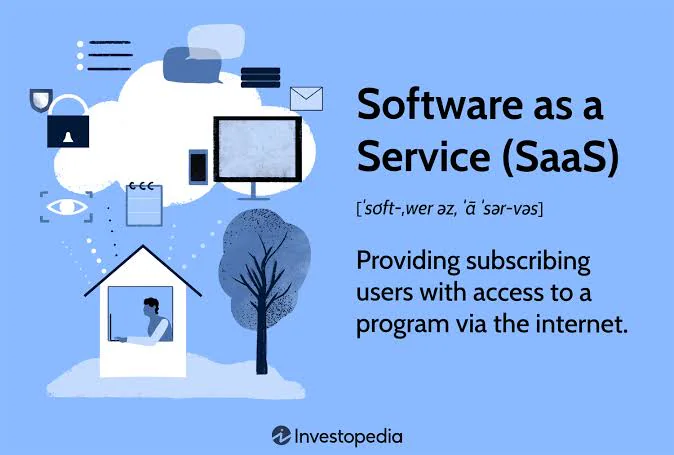
Software comparisons are important because subscriptions can add up quickly.
Readers need to know whether a tool:
- Saves time
- Improves productivity
- Fits their workflow
- Integrates with existing systems
- Supports collaboration
- Justifies its monthly or annual cost
When reviewing software, we compare:
- Core features
- Pricing tiers
- Ease of onboarding
- Integrations
- Team collaboration
- Automation
- Security
- Export options
- Migration options
- Customer support
A beginner-friendly tool may be ideal for solo creators, while a more advanced platform may suit teams, agencies, or power users.
CHECK OUT: Top SaaS Tools for Solopreneurs Under $50/Month: Your Complete Budget-Friendly Stack
VPNs and Security Tools
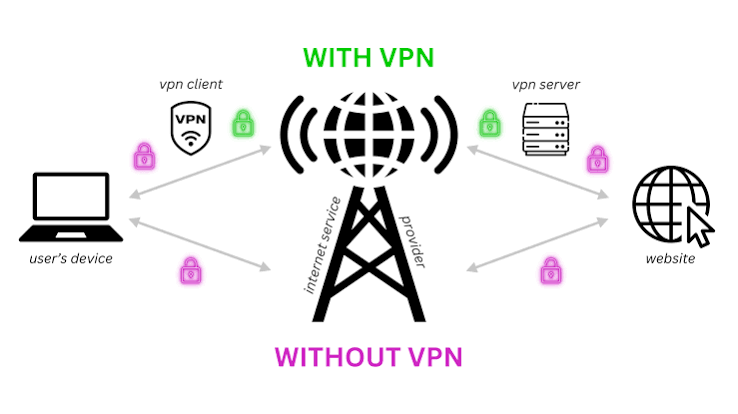
Privacy and security tools matter for anyone who works online, especially people using public Wi-Fi, handling sensitive information, traveling frequently, or managing business accounts.
When comparing VPNs and security tools, we look at:
- Privacy policies
- Logging practices
- Speed
- Server coverage
- Device support
- Ease of use
- Encryption
- Additional protection features
- Independent audits
- Value for money
Security products should be judged on trust as much as features.
A cheaper service is not useful if it weakens privacy, collects excessive data, performs poorly, or provides limited support.
Hosting and Website Tools

Hosting and website-building tools affect:
- Page speed
- Uptime
- SEO
- Security
- Scalability
- User experience
- Long-term growth
For bloggers, creators, and business owners, hosting is one of the most important technology decisions.
When comparing hosting and website tools, we evaluate:
- Speed
- Uptime
- Ease of setup
- WordPress compatibility
- Scalability
- Backup systems
- Security
- Customer support
- Migration services
- Introductory price
- Renewal price
A beginner may prioritize simplicity, while a growing website may need better performance, stronger security, and more flexibility.
The right comparison should help readers choose based on their stage, not only price.
Productivity Tools
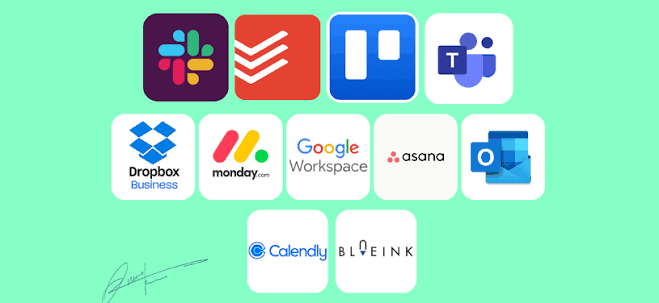
Productivity tools help users write, plan, manage projects, organize information, track work, design content, and collaborate.
They are especially useful for:
- Freelancers
- Remote workers
- Writers
- Students
- Small teams
- Solo business owners
- Content creators
When comparing productivity tools, we assess:
- Interface
- Learning curve
- Time-saving features
- Collaboration
- Automation
- Integrations
- Cross-device sync
- Offline access
- Pricing
- Export options
The best productivity tool is not always the one with the most features. Often, the better choice is the one that saves the most time with the least friction.
Fintech Apps and Digital Financial Tools

Fintech apps have become essential for people who earn, spend, send, and manage money online.
Freelancers, remote workers, international students, creators, and digital entrepreneurs often need tools for:
- International payments
- Multi-currency accounts
- Invoicing
- Business transfers
- Currency conversion
- Virtual cards
- Payment collection
- Expense tracking
When comparing fintech platforms, we focus on:
- Payment availability
- Transaction fees
- Currency support
- Exchange rates
- Account security
- Withdrawal options
- Funding methods
- Limits
- User experience
- Customer support
A strong fintech comparison should explain what kind of user each platform is best for.
Some tools are better for international freelancers, while others may suit businesses managing multiple currencies or customers in different countries.
Our Subscribers Enjoyed Reading: How Much Passive Income Do You Need? The Complete Roadmap to Financial Independence in 2026
AI Tools and Digital Assistants
AI tools are now part of many people’s daily workflows.
They help with:
- Writing
- Research
- Coding
- Planning
- Summarizing
- Data analysis
- Brainstorming
- Customer support
- Automation
- Content creation
When comparing AI tools and digital assistants, we look at:
- Accuracy
- Speed
- Reasoning quality
- Pricing
- Privacy
- Integrations
- File support
- Multimodal features
- Reliability
- Use-case fit
A good AI comparison should not be based on hype.
It should explain what the tool actually helps with, how consistent it is, where it struggles, and whether it saves time in a real workflow.
See Also: Claude vs ChatGPT vs Gemini (Best Free AI Writing Tools Compared)
Product Comparisons
Product comparisons help readers understand the differences between two or more competing options.
A strong comparison should include:
- Main use case
- Core features
- Performance
- Pricing
- Strengths
- Weaknesses
- Best user type
- Clear final recommendation
The goal is not to declare one winner for every person.
The goal is to explain which option is better for each situation.
Tech Reviews
A tech review evaluates one product in depth.
A complete review should explain:
- What the product does
- Who it is designed for
- How it performs
- What it costs
- What it does well
- What could be improved
- How it compares with alternatives
- Whether it is worth buying
A strong review includes both facts and judgment. Readers do not only want specifications. They want help deciding whether the product fits their work, lifestyle, budget, and expectations.
Buying Guide Framework
Before choosing any technology product, ask these five questions:
- What problem am I trying to solve?
- Which features matter most to me?
- How much am I willing to spend?
- Will this product remain useful over the next one to three years?
- What trade-offs am I willing to accept?
This framework keeps buyers focused on their needs instead of marketing claims.
Quick Product Decision Guide
| If You Need… | Focus On… |
| A laptop for school | Battery life, portability, affordability, and reliability |
| A phone for content creation | Camera quality, storage, stabilization, and battery life |
| Software for a team | Collaboration, permissions, integrations, and support |
| A VPN for travel | Privacy, server coverage, speed, and device support |
| Website hosting | Uptime, speed, support, security, and renewal pricing |
| A productivity app | Ease of use, sync, automation, and integrations |
| A fintech platform | Fees, exchange rates, security, currencies, and withdrawals |
| An AI assistant | Accuracy, privacy, integrations, speed, and use-case fit |
What Makes a Strong Review?
A strong review should answer three questions:
- What is the product like to use?
- Who is it best for?
- Is it worth the money?
It should also explain:
- Important limitations
- Better alternatives
- Long-term costs
- Security concerns
- Support quality
- The situations where the product may not be suitable
Good reviews remain consistent. If two laptops are compared, both should be evaluated using the same criteria.
Consistency makes comparisons easier to understand and trust.
How to Compare Products
The most useful comparisons are simple, direct, and focused on the differences that matter most.
Use this method:
- Start with the main use case.
- Compare the top three to five factors.
- Show the strengths and weaknesses of each product.
- Explain the best use case for each option.
- End with a clear recommendation.
A comparison page should not attempt to list every small detail. It should help readers make a decision quickly and confidently.
Example Comparison Table
| Category | What to Compare | Why It Matters |
| Laptops | Battery, CPU, RAM, display | Affects performance, portability, and daily comfort |
| Smartphones | Camera, battery, storage, software | Affects everyday use and product lifespan |
| Software | Features, price, integrations | Affects workflow, productivity, and value |
| VPNs | Privacy, speed, server coverage | Affects security and usability |
| Hosting | Speed, uptime, support, pricing | Affects website performance and growth |
| Fintech Apps | Fees, currencies, withdrawals | Affects international payments and access to funds |
| AI Tools | Accuracy, privacy, speed, integrations | Affects output quality and workflow efficiency |
Product Review Checklist
Before buying a product, confirm:
- Does it solve the problem I have?
- Does it fit my budget?
- Are important features included in the basic plan?
- Is customer support reliable?
- Is my data protected?
- Are software updates included?
- Is cancellation straightforward?
- Will the product remain useful in the next one to three years?
- Are there better alternatives?
- Am I paying for features I will not use?
How Often We Update Reviews
Technology changes quickly.
We update reviews when:
- Prices change
- A new model launches
- Software support changes
- Features are added or removed
- A stronger alternative becomes available
Update dates should be visible so readers can understand how current the information is.
Closing Note
Whether you are buying a laptop, choosing a smartphone, comparing AI tools, selecting web hosting, evaluating fintech apps, or looking for productivity software, the best decision starts with clear and practical information.
That is what expert tech reviews, product comparisons, and buying guides should provide.
Incomora’s goal is to make technology easier to understand by explaining what matters, highlighting meaningful trade-offs, and recommending products based on real user needs.
The right product is not always the most expensive, the most popular, or the one with the longest feature list.
It is the product that solves your problem reliably, fits your budget, and continues providing value after the initial purchase. Subscribe to Incomora for more reviews and comparisons.
Frequently Asked Questions
What is the best technology review website?
A good technology review website should provide transparent comparisons, explain product strengths and weaknesses, consider real-world use cases, and help readers choose products based on their needs rather than marketing claims.
How do I know if a tech review is trustworthy?
A trustworthy tech review explains testing methods, identifies limitations, compares alternatives, discusses pricing, and makes clear who the product is suitable for.
Should I trust online product comparisons?
Online product comparisons are useful when they explain evaluation criteria, differences between products, and the situations where each option performs best.
What are expert tech reviews?
Expert tech reviews are detailed evaluations of technology products based on performance, features, usability, price, reliability, security, and suitability for different users.
What is a product comparison?
A product comparison evaluates two or more competing products side by side to explain their differences, strengths, weaknesses, pricing, and best use cases.
What is a tech buying guide?
A tech buying guide explains what features matter, what trade-offs buyers should consider, and which products are best for different budgets and needs.
How often should tech reviews be updated?
Tech reviews should be updated whenever prices, specifications, policies, features, or product availability change. Fast-moving categories may require frequent reviews.
Are comparison pages good for SEO?
Yes. Product comparison pages often attract high-intent search traffic because readers are already evaluating options and may be close to making a decision.
What makes a tech buying guide useful?
A useful buying guide explains what matters, what does not, and which option is most suitable for different buyers. It should reduce confusion rather than add more of it.
Are expensive technology products always better?
No. A more expensive product may offer stronger performance or additional features, but it may not provide better value for every user. Suitability matters more than price alone.
How does Incomora choose recommended products?
Incomora considers performance, features, usability, price, reliability, security, support, long-term value, and suitability for the intended audience.
Do affiliate partnerships affect Incomora ratings?
No. Affiliate partnerships do not determine product scores, strengths, weaknesses, rankings, or final recommendations.